Northern Circuit

Tarangire National Park

Tarangire National Park : The Land of Giants and Ancient Baobabs

Tarangire National Park is one of Tanzania’s most underrated yet rewarding safari destinations, celebrated for its vast elephant herds, dramatic baobab-studded landscapes, and strong sense of wilderness. Located within the Northern Safari Circuit, the park offers a quieter, more relaxed safari experience compared to its famous neighbors, while still delivering exceptional wildlife encounters.

The defining feature of Tarangire National Park is the Tarangire River, a lifeline that attracts enormous concentrations of animals during the dry season. As surrounding areas dry out, wildlife migrates into the park in search of water, creating spectacular game viewing opportunities. Rolling savannahs, seasonal swamps, and towering baobab trees combine to create a raw, authentic African safari atmosphere.

Where is the Tarangire National Park located?

Tarangire National Park is situated in northern Tanzania, approximately 120 kilometers southwest of Arusha. It lies just south of Lake Manyara National Park and forms a key part of the Northern Safari Circuit, making it easily accessible and ideal for combination safaris.

The park is reached by road via Arusha, often passing through the town of Makuyuni. Its location along important wildlife migration routes allows animals to move freely between Tarangire, Lake Manyara, and surrounding conservation areas, enhancing its ecological importance and wildlife diversity.

Custom Map with Marker
Custom Icon
Tarangire National Park, Tanzania

A month by Month Guide

What is the best month to visit the Tarangire National Park?

Ideal for wildlife safaris and birdwatching. Dry season makes spotting animals in Serengeti, Tarangire, and Ngorongoro easier. Clear skies perfect for Kilimanjaro climbs and beach holidays along the coast.
Excellent for big-game sightings and migration viewing in Serengeti. Warm, dry weather throughout the country supports hiking, walking safaris, and cultural visits. Coastal beaches are calm and ideal for relaxation.
Start of short rains in northern parks. Landscapes become lush and green, fewer tourists. Ngorongoro Crater and southern parks remain accessible. Good month for photography and birdwatching enthusiasts.
Peak short rainy season. Many roads in remote areas may be challenging. Parks remain scenic, waterfalls full. Ideal for fewer crowds, lower prices, and lush landscapes in highland and southern parks.
End of short rains. Landscapes vibrant and green, excellent for photography. Wildlife concentrated around water sources. Comfortable temperatures for hiking, safaris, and cultural tours. Northern circuit accessible. Great for quiet, off-peak visits.
Start of dry season. Perfect for wildlife viewing in Serengeti, Tarangire, and Ngorongoro. Cool mornings, sunny days. Ideal for climbing Kilimanjaro and exploring highland parks. Coastal beaches pleasantly warm.
Peak dry season. Best wildlife viewing conditions across all parks. Wildebeest migration visible in northern Serengeti. Perfect for camping, hiking, and photography. Cool mornings, warm days, minimal rainfall. Tourist traffic higher, plan bookings early.
Dry and sunny, optimal for game drives. Great for migration tracking in Serengeti and Tarangire. Kilimanjaro climbs enjoy stable weather. Northern circuit fully accessible. Coastal resorts offer calm, sunny conditions. Wildlife photography excellent.
Still dry season, excellent for wildlife viewing. Migration peaks in northern Serengeti. Ideal for walking safaris, cultural experiences, and photography. Warm days, cool evenings. Southern parks dry, easier to navigate. Minimal rainfall.
Transitional month, slight increase in rains. Wildlife viewing remains good, migration begins moving south. Lush scenery returns. Northern and southern circuits accessible. Ideal for off-peak visits, fewer tourists, and photography opportunities.
Start of short rains. Parks less crowded, greenery abundant. Some remote roads may be tricky. Birdwatching excellent. Coastal regions warm and sunny. Safari conditions good, migration in southern Serengeti. Kilimanjaro climbs possible with caution.

Early rains, lush scenery across highlands and northern parks. Excellent for photography, birdwatching, and cultural experiences. Southern Serengeti sees migration movement. Moderate crowds, beautiful landscapes. Coastal beaches warm, ideal for relaxation and festive holidays.

What Makes Tarangire National Park Special

A Dry-Season Wildlife Haven

Where elephants, rivers, and ancient landscapes define the safari experience

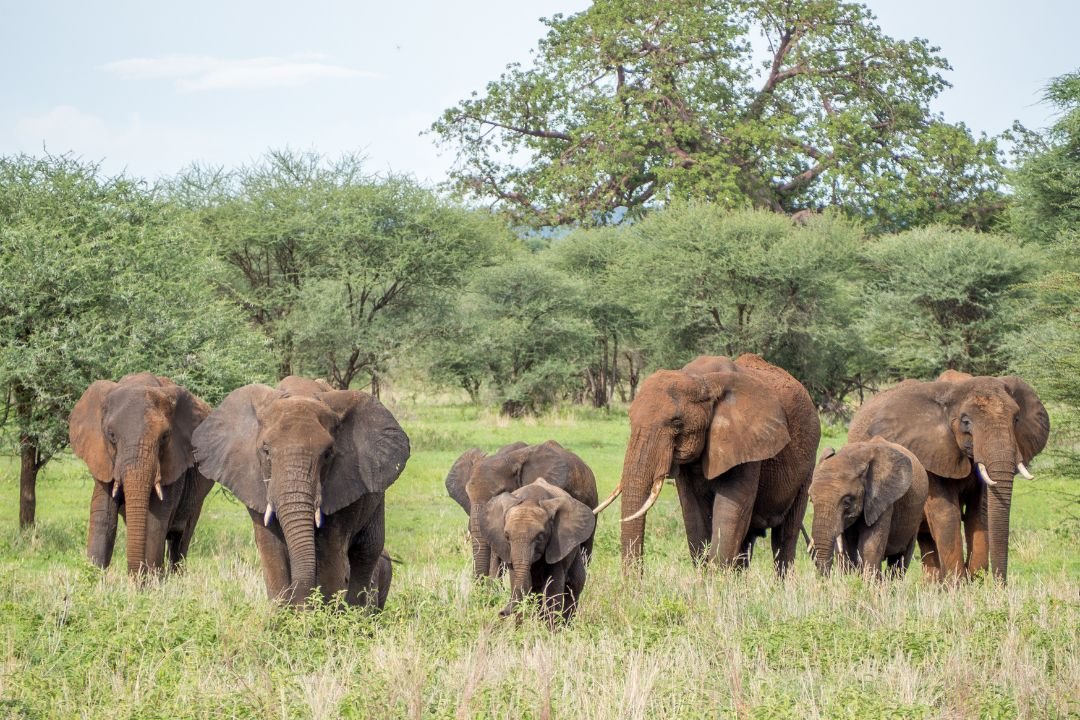
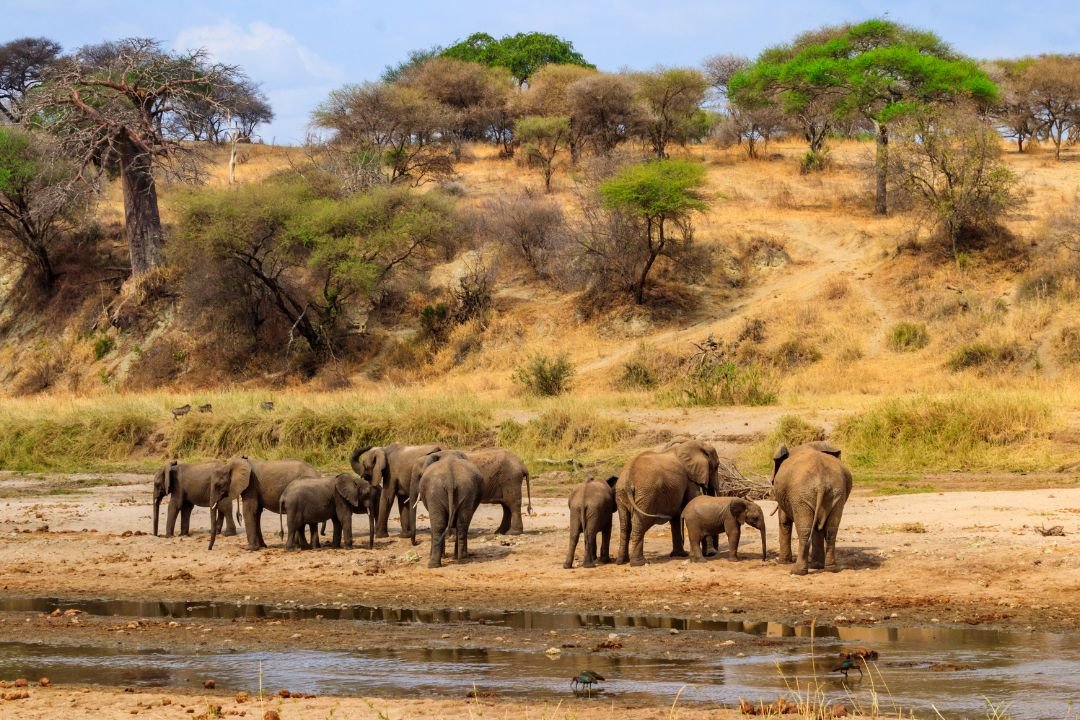
Tarangire National Park is renowned for hosting some of the largest elephant populations in Tanzania. During the dry season, the Tarangire River becomes a magnet for wildlife, drawing massive herds and predators into open landscapes framed by iconic baobab trees.
Best hotels and lodges in/Near the Tarangire National Park

What to See in Tarangire National Park

Large Elephant Herds

Tarangire National Park is famous for its impressive elephant populations, often seen in large family groups roaming across open plains and riverbanks. Visitors regularly witness elephants digging for water, dust bathing, and interacting socially, offering some of the most intimate and memorable elephant encounters in Tanzania.
Tarangire National Park Elephants
Tarangire National Park

The Tarangire River

The Tarangire River is the park’s most vital feature, providing a permanent water source throughout the dry season. Wildlife gathers along its banks, creating excellent game viewing opportunities. Lions, leopards, and large herbivores frequent the area, making it a prime location for predator sightings.

Ancient Baobab Trees

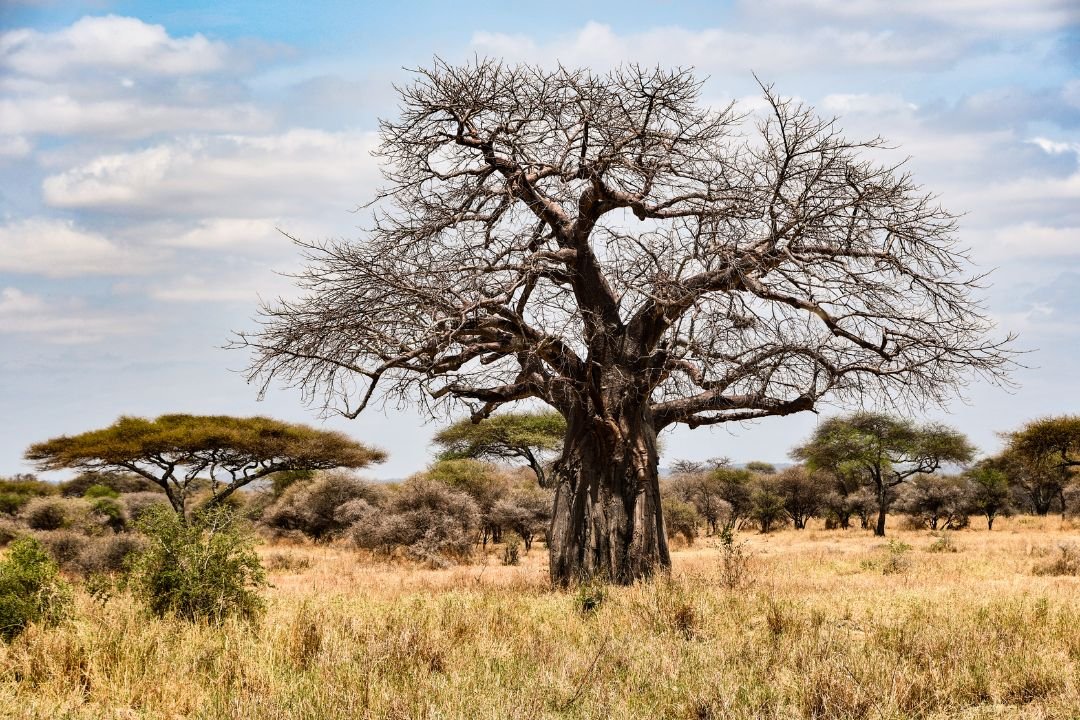
Towering baobab trees dominate Tarangire National Park’s landscape, some believed to be hundreds of years old. These iconic giants provide shade and shelter for wildlife while adding a dramatic, timeless character to the scenery. They are especially striking during golden-hour game drives and photography sessions.
Tarangire National Park Baobab
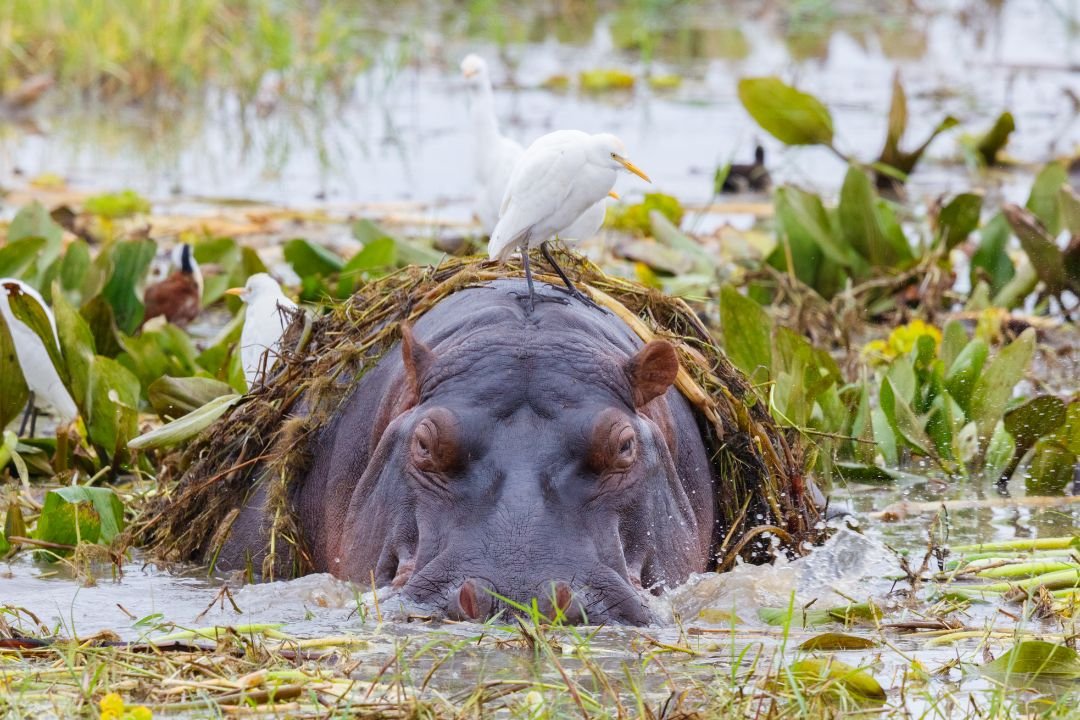
Tarangire National Park swamps

Seasonal Swamps and Plains

Tarangire’s seasonal swamps and open plains become lush after rains and act as critical grazing areas. These habitats attract buffalo, wildebeest, zebra, and antelope, followed closely by predators. The changing landscapes offer varied scenery and dynamic wildlife interactions throughout different seasons of the year.

Wildlife to See in Tarangire National Park

Tarangire National Park supports a diverse range of wildlife, with particularly high concentrations during the dry season when animals gather near water sources. The park is well known for its elephants, large herbivores, and healthy predator populations, making game drives consistently rewarding.
Lion

Common

Elephant

Common

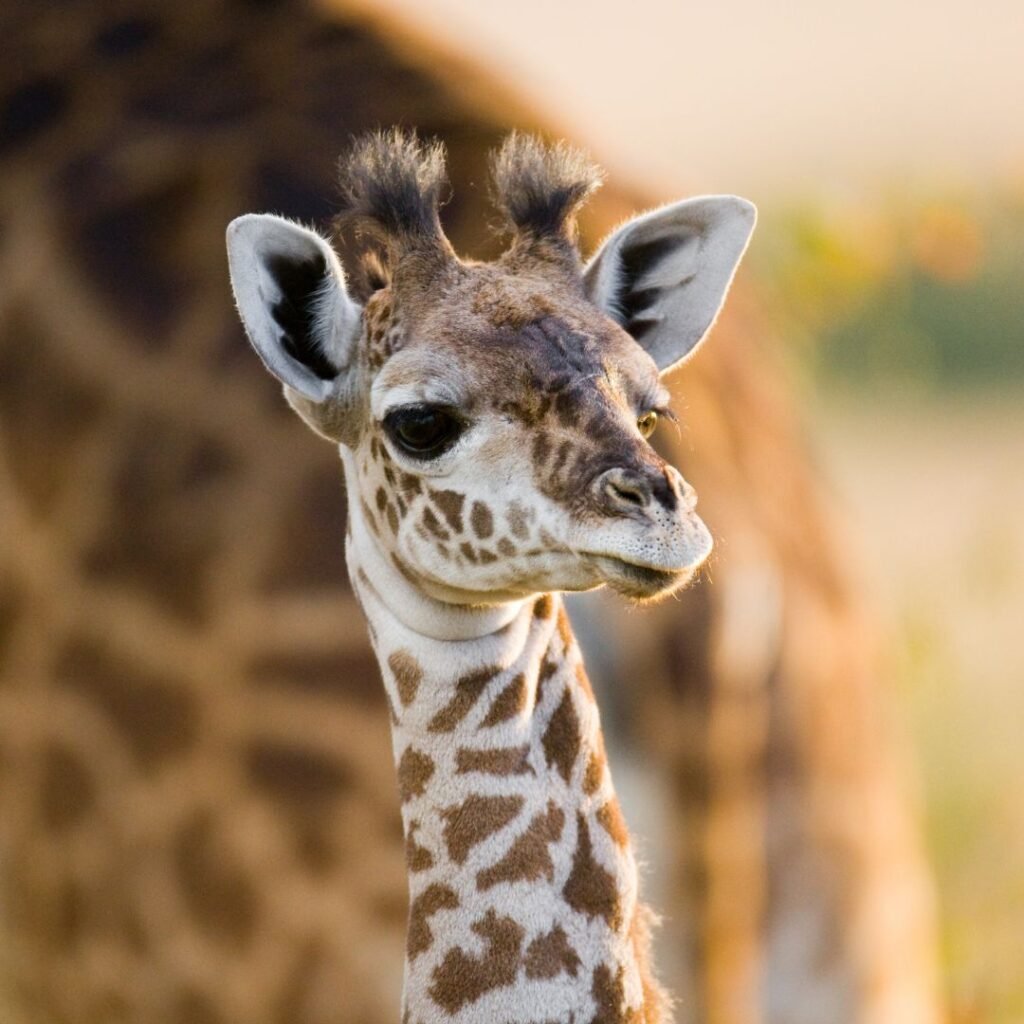
giraffe

Common

Leopard

Rare

Buffalo

Common

Cheetah

Rare

History of Tarangire National Park

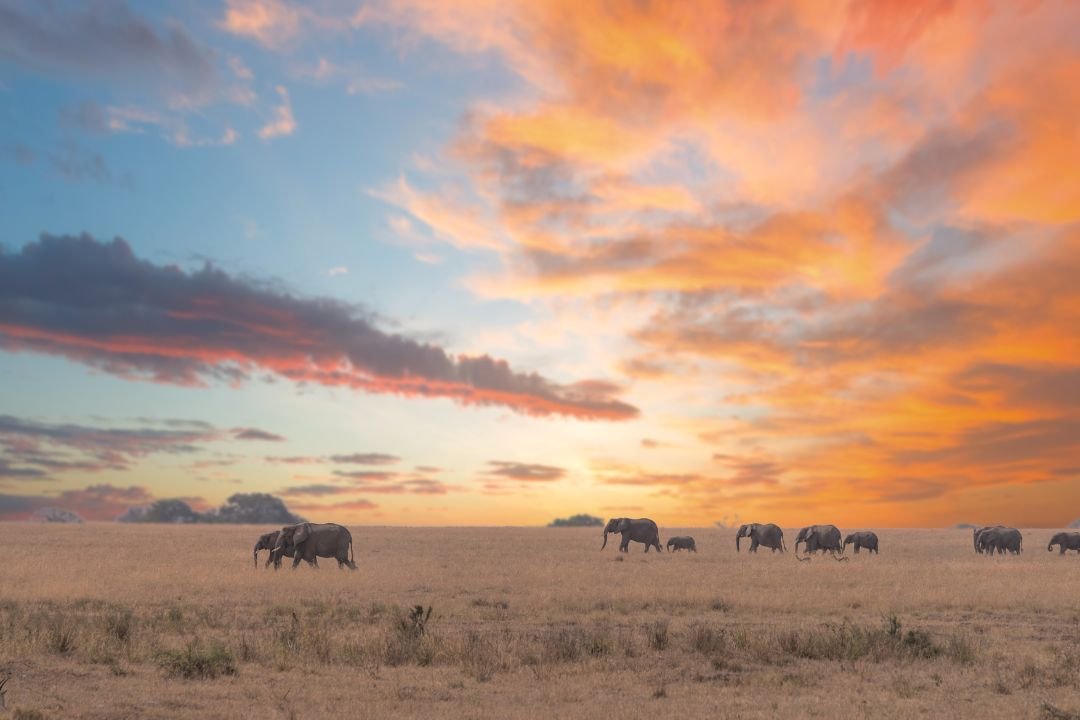
Tarangire National Park’s history is closely tied to the seasonal movements of wildlife and the pastoral communities that once shared this landscape. For centuries, animals migrated freely across the Tarangire ecosystem, following ancient routes in search of water and grazing, while local communities relied on the land for livestock and survival.

In 1970, Tarangire was officially designated a national park to protect its vital river system and wildlife migration corridors. The park’s creation played a crucial role in conserving elephant populations and preserving the integrity of the wider Tarangire–Manyara ecosystem. Today, Tarangire National Park stands as a vital conservation area and a powerful example of how protecting water sources ensures long-term wildlife survival.
History of Tarangire National Park

Tarangire National Park Tours

Where else Can I visit?