Northern Circuit

Serengeti National Park

Explore the Wonders of Serengeti National Park, Tanzania

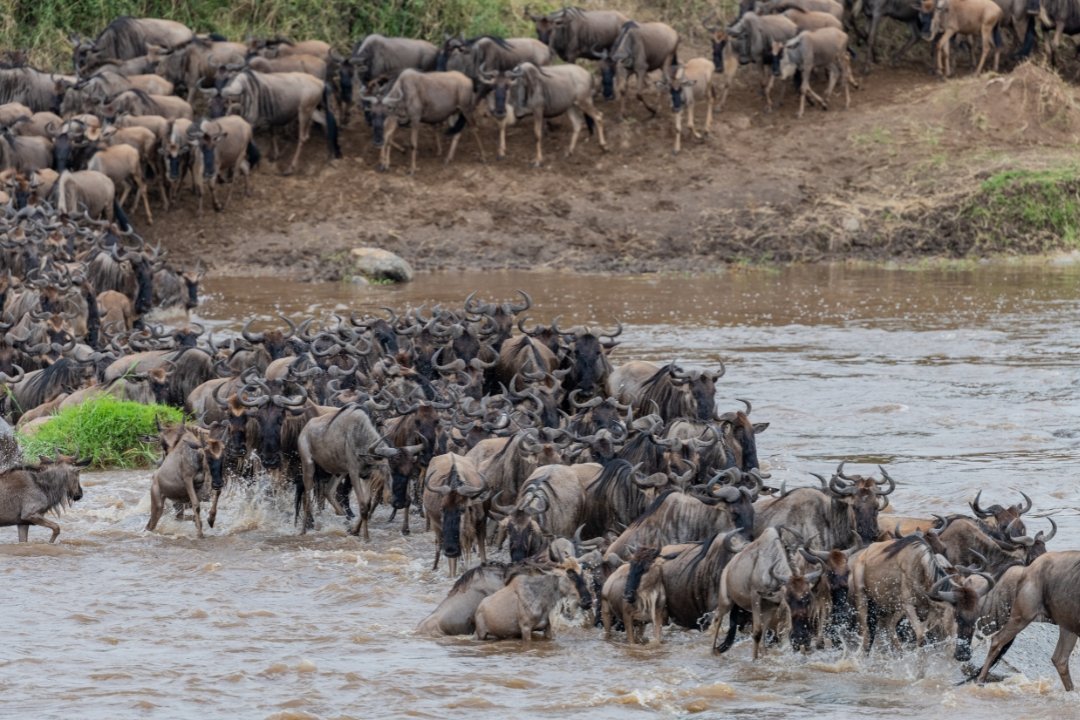
The Serengeti National Park is a world-renowned destination that embodies the essence of Africa’s untamed wilderness. Located in northern Tanzania, this UNESCO World Heritage Site spans over 14,750 square kilometers of sprawling savannahs, golden grasslands, and rocky outcrops, offering a landscape that is as breathtaking as it is diverse. Home to an extraordinary array of wildlife, the Serengeti is famous for the Great Migration, an awe-inspiring natural spectacle where millions of wildebeest, zebras, and gazelles traverse its plains in search of greener pastures. This annual journey, accompanied by predators such as lions, cheetahs, and crocodiles, makes the Serengeti a true haven for wildlife enthusiasts and photographers alike.

Beyond the migration, the Serengeti is a year-round destination brimming with unique experiences. Its rich biodiversity supports the Big Five—lion, leopard, elephant, buffalo, and rhino—alongside over 500 bird species and countless other animals. The park’s varied landscapes, from the acacia-dotted Seronera Valley to the remote northern regions and the iconic Moru Kopjes, offer endless opportunities for exploration. Whether you’re marveling at a lion pride under a blazing sunset, observing elephants at a waterhole, or enjoying a hot-air balloon safari over the plains, the Serengeti promises unforgettable adventures that connect you with nature in its most raw and beautiful form.

Where is the Serengeti National Park located?

The Serengeti National Park is located in northern Tanzania, spanning the Mara and Simiyu regions. It lies near the border with Kenya, where it connects to the Maasai Mara National Reserve, creating a vast transboundary ecosystem. Covering an area of approximately 14,750 square kilometers, the park is part of the Serengeti ecosystem, one of the oldest and most complex ecosystems on Earth.

Positioned about 335 kilometers west of Arusha, the Serengeti is easily accessible by road or air. Its central location within East Africa makes it a prime destination for visitors seeking to experience the region’s rich biodiversity and dramatic landscapes. This iconic park is a cornerstone of Tanzania’s Northern Safari Circuit, attracting travelers from around the globe.

Custom Map with Marker
Custom Icon
Serengeti National Park, Tanzania

A month by Month Guide

What is the best month to visit the Serengeti?

Ideal for wildlife safaris and birdwatching. Dry season makes spotting animals in Serengeti, Tarangire, and Ngorongoro easier. Clear skies perfect for Kilimanjaro climbs and beach holidays along the coast.
Excellent for big-game sightings and migration viewing in Serengeti. Warm, dry weather throughout the country supports hiking, walking safaris, and cultural visits. Coastal beaches are calm and ideal for relaxation.
Start of short rains in northern parks. Landscapes become lush and green, fewer tourists. Ngorongoro Crater and southern parks remain accessible. Good month for photography and birdwatching enthusiasts.
Peak short rainy season. Many roads in remote areas may be challenging. Parks remain scenic, waterfalls full. Ideal for fewer crowds, lower prices, and lush landscapes in highland and southern parks.
End of short rains. Landscapes vibrant and green, excellent for photography. Wildlife concentrated around water sources. Comfortable temperatures for hiking, safaris, and cultural tours. Northern circuit accessible. Great for quiet, off-peak visits.
Start of dry season. Perfect for wildlife viewing in Serengeti, Tarangire, and Ngorongoro. Cool mornings, sunny days. Ideal for climbing Kilimanjaro and exploring highland parks. Coastal beaches pleasantly warm.
Peak dry season. Best wildlife viewing conditions across all parks. Wildebeest migration visible in northern Serengeti. Perfect for camping, hiking, and photography. Cool mornings, warm days, minimal rainfall. Tourist traffic higher, plan bookings early.
Dry and sunny, optimal for game drives. Great for migration tracking in Serengeti and Tarangire. Kilimanjaro climbs enjoy stable weather. Northern circuit fully accessible. Coastal resorts offer calm, sunny conditions. Wildlife photography excellent.
Still dry season, excellent for wildlife viewing. Migration peaks in northern Serengeti. Ideal for walking safaris, cultural experiences, and photography. Warm days, cool evenings. Southern parks dry, easier to navigate. Minimal rainfall.
Transitional month, slight increase in rains. Wildlife viewing remains good, migration begins moving south. Lush scenery returns. Northern and southern circuits accessible. Ideal for off-peak visits, fewer tourists, and photography opportunities.
Start of short rains. Parks less crowded, greenery abundant. Some remote roads may be tricky. Birdwatching excellent. Coastal regions warm and sunny. Safari conditions good, migration in southern Serengeti. Kilimanjaro climbs possible with caution.

Early rains, lush scenery across highlands and northern parks. Excellent for photography, birdwatching, and cultural experiences. Southern Serengeti sees migration movement. Moderate crowds, beautiful landscapes. Coastal beaches warm, ideal for relaxation and festive holidays.

Why visit Serengeti National Park

The Great Wildebeest Migration

The Serengeti National Park offers an unparalleled safari experience, showcasing breathtaking landscapes, abundant wildlife, and the iconic Great Wildebeest Migration—a mesmerizing spectacle of millions of animals traversing the plains, providing unforgettable encounters with nature’s raw beauty and drama.

Best hotels and lodges in the Serengeti National Park

The main attractions of the Serengeti National Park

Serengeti National Park in Tanzania is one of Africa’s largest and most renowned safari destinations. Exploring its main highlights typically requires 3-4 days. Here are the must-visit locations to truly experience the essence of the Serengeti.
Central Serengeti

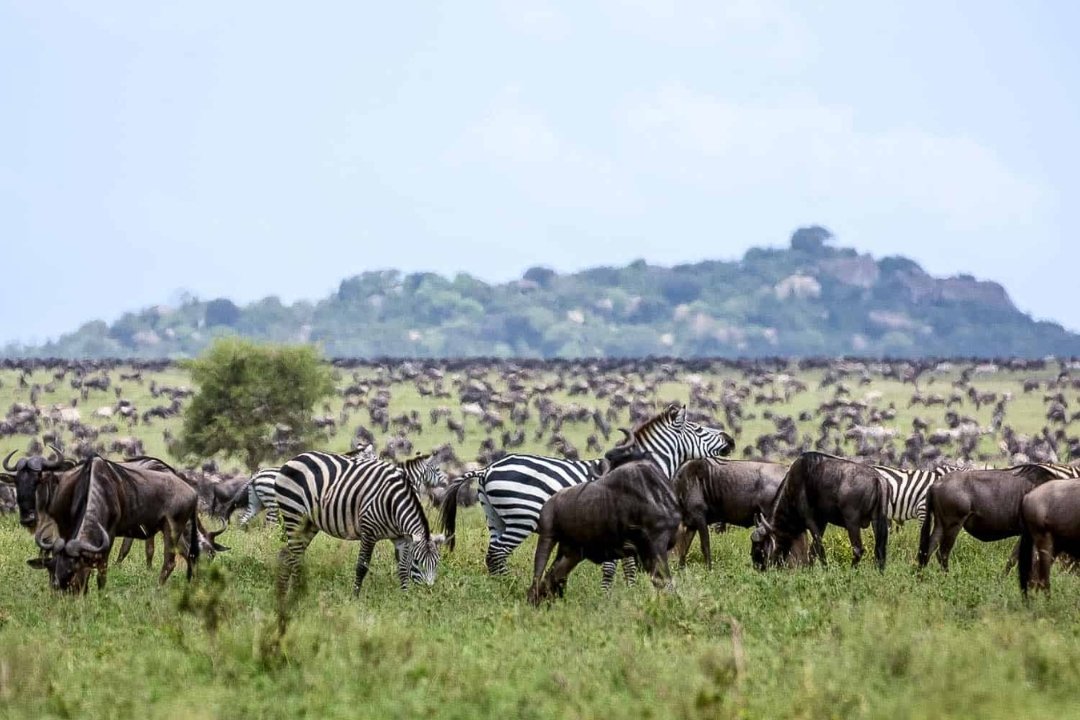
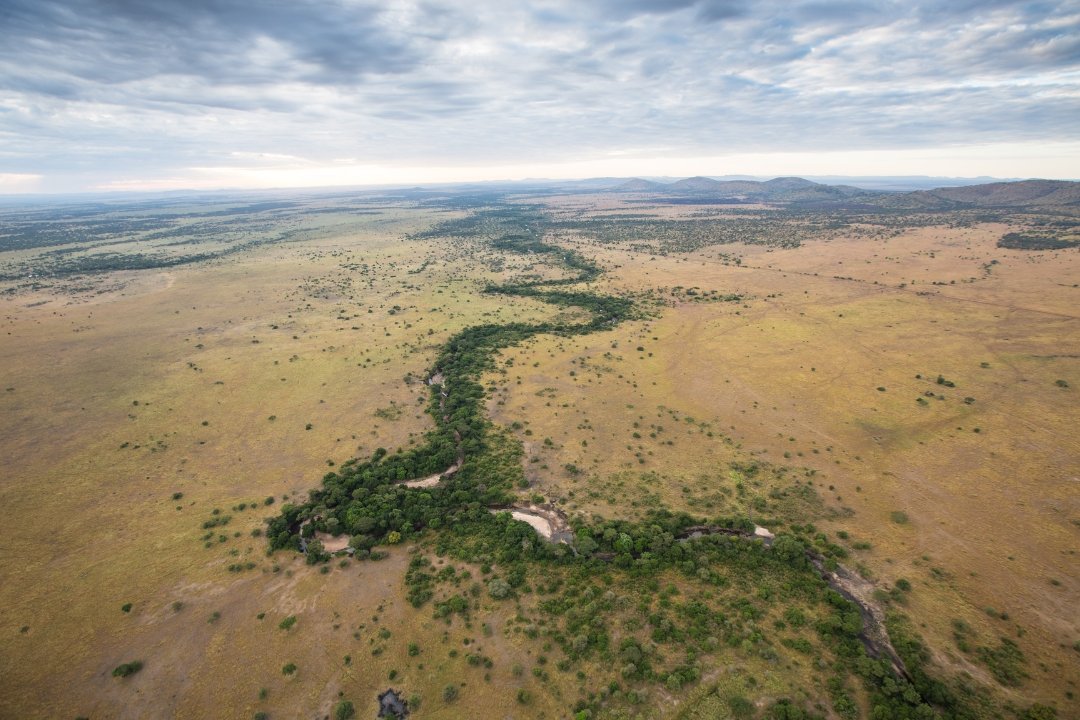
Central Serengeti, also known as the Seronera Valley, is the heart of the park and a wildlife hotspot year-round. Its rolling plains, riverine woodlands, and permanent water sources attract diverse animals, including big cats like lions and leopards, making it a prime destination for thrilling game drives.
Central Serengeti (1)
Western Corridor Serengeti

Western Corridor and Grumeti

The Western Corridor of Serengeti National Park is famous for the dramatic Grumeti River crossings during the Great Migration. Wildebeest and zebras face peril from swift currents and lurking crocodiles. This area’s lush forests and open plains also host diverse wildlife, including elephants, hippos, and predators.

Northern Serengeti

The Northern Serengeti is a pristine and remote area, renowned for the breathtaking Mara River crossings during the Great Migration. Here, vast herds of wildebeest and zebras traverse crocodile-filled waters, creating dramatic wildlife scenes. Its rolling hills and diverse habitats also attract elephants, giraffes, and elusive big cats.
Northern Serengeti

Activities in the Serengeti National Park

Serengeti National Park offers a wide range of activities that bring its stunning landscapes and incredible wildlife to life. From thrilling game drives and guided walking safaris to hot air balloon rides and cultural experiences, visitors can immerse themselves in the park’s rich biodiversity and unique heritage.

Hot air balloon safari

A hot air balloon safari over the Serengeti is a magical experience, offering breathtaking aerial views of the park’s golden plains and abundant wildlife. As the sun rises, witness herds of wildebeest, elephants, and giraffes from above, followed by a champagne breakfast in the wilderness. This serene adventure provides a unique perspective of the Serengeti’s vast beauty.
Starting from
$ 550
per person*
Starting from
$ 50
per person*

Breakfast and dinner in the savanna

Dining in the Serengeti’s savanna is a unique and unforgettable experience. Enjoy a freshly prepared breakfast as the golden morning light illuminates the plains, accompanied by the sounds of nature. In the evening, savor a gourmet dinner under a star-filled sky, surrounded by the tranquil ambiance of the African wilderness.

Night safaris

Night safaris in the Serengeti offer a thrilling opportunity to explore the park’s nocturnal world. Guided by spotlights, witness elusive creatures like leopards, hyenas, and bush babies in their natural habitat. The serene darkness amplifies the sounds of the wild, creating an intimate and unforgettable experience of the Serengeti after sunset.
Starting from
$ 100
per person*

Wildlife in Serengeti National Park

Serengeti National Park is home to one of the most diverse and abundant wildlife populations in the world. From the iconic Big Five—lion, leopard, elephant, buffalo, and rhino—to vast herds of wildebeest, zebras, and gazelles, the park offers unparalleled opportunities to witness animals thriving in their natural habitats.
Lion

Common

Elephant

Common

Rhino

Rare

Leopard

Rare

Buffalo

Common

Cheetah

Rare

History of the Serengeti National Park

The history of Serengeti National Park is a tale of transformation and preservation, beginning long before its designation as one of Africa’s most iconic wildlife sanctuaries. Before the arrival of Europeans in Africa, the vast grassland plains of the Serengeti were home to various African tribes, including the Maasai, who lived harmoniously with the land and its wildlife. The region remained largely unknown to the outside world until Austrian explorer Oscar Bauman documented his observations during a visit in 1892.

The first steps toward protecting the Serengeti ecosystem began in 1913, when German colonial authorities declared it a game reserve, imposing significant restrictions on hunting. After World War I, the British took over Tanganyika under a mandate, expanding the game reserve in 1923. However, it wasn’t until 1951 that the Serengeti was officially declared a national park. With this new status came sweeping changes: human activities such as hunting, logging, and construction were prohibited, and the Maasai people, who had lived within the park’s boundaries for generations, were forcibly relocated to areas outside the Serengeti.

In 1979, the Serengeti was inscribed on the UNESCO World Heritage List, a recognition that underscored its global ecological importance. This marked the beginning of the park’s modern development era, during which conservation efforts intensified. Over time, the Serengeti has become one of Africa’s most beloved safari destinations, attracting more than 400,000 visitors annually. Today, its sprawling landscapes and extraordinary biodiversity are protected through stringent regulations, permitting only photo tourism and carefully planned accommodations in designated areas.

The story of Serengeti National Park is one of resilience and balance—a testament to the enduring beauty of nature and humanity’s ability to protect it for generations to come.

Serengeti National Park Tours

Where else Can I visit?