
Saadani National Park is Tanzania’s only national park where savannah wildlife meets the Indian Ocean, creating a rare and captivating coastal safari experience. The park blends palm-lined beaches, mangrove forests, open grasslands, and riverine habitats into a landscape found nowhere else in East Africa.
Unlike inland safari destinations, Saadani National Park offers a unique combination of game drives, river safaris, and beach relaxation. Wildlife roams freely to the ocean’s edge, while the Wami River and coastal ecosystems support diverse animal and bird species. This distinctive setting makes Saadani ideal for travelers seeking both adventure and tranquility.
Saadani National Park is located along Tanzania’s central coastline, approximately 100 kilometers north of Dar es Salaam and just south of Pangani. The park stretches along the Indian Ocean, incorporating former game reserves and coastal habitats into a protected area of exceptional ecological value.
The park is easily accessible by road from Dar es Salaam or by charter flight to nearby airstrips. Its coastal location and proximity to major cities make Saadani National Park one of the most convenient yet unique safari destinations in Tanzania.

A month by Month Guide
Early rains, lush scenery across highlands and northern parks. Excellent for photography, birdwatching, and cultural experiences. Southern Serengeti sees migration movement. Moderate crowds, beautiful landscapes. Coastal beaches warm, ideal for relaxation and festive holidays.
Where wildlife roams beside the ocean
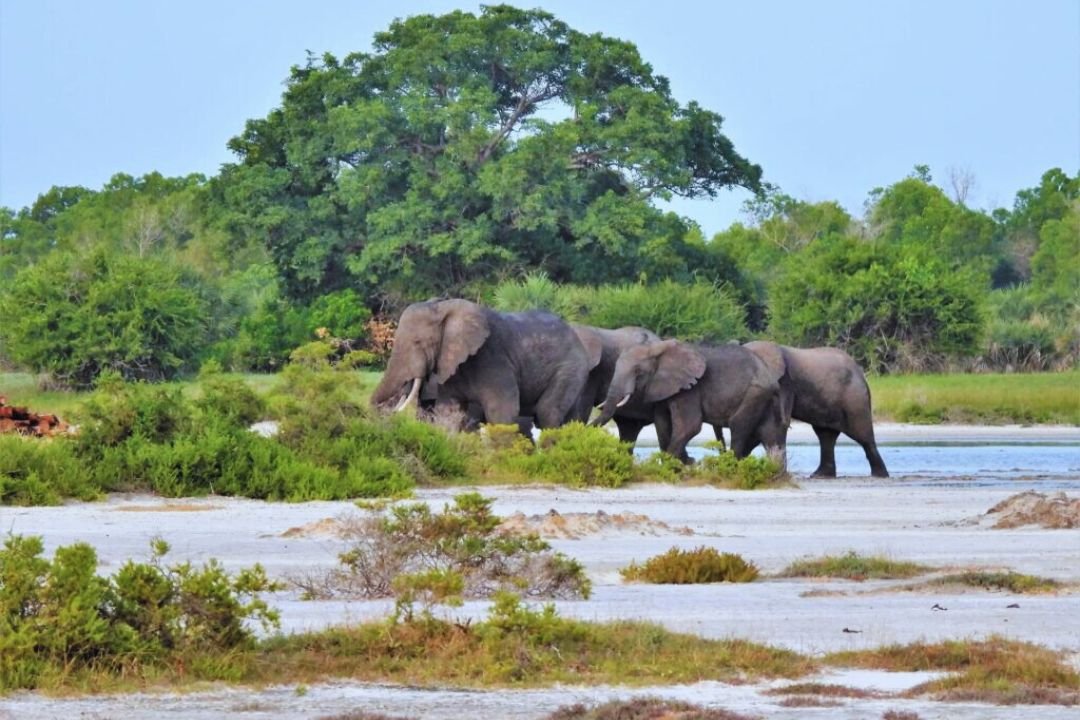
Saadani National Park is the only place in Tanzania where elephants, giraffes, and lions share landscapes with sandy beaches and crashing waves. This rare fusion of marine and terrestrial ecosystems offers an unforgettable safari experience unlike any other in Africa.
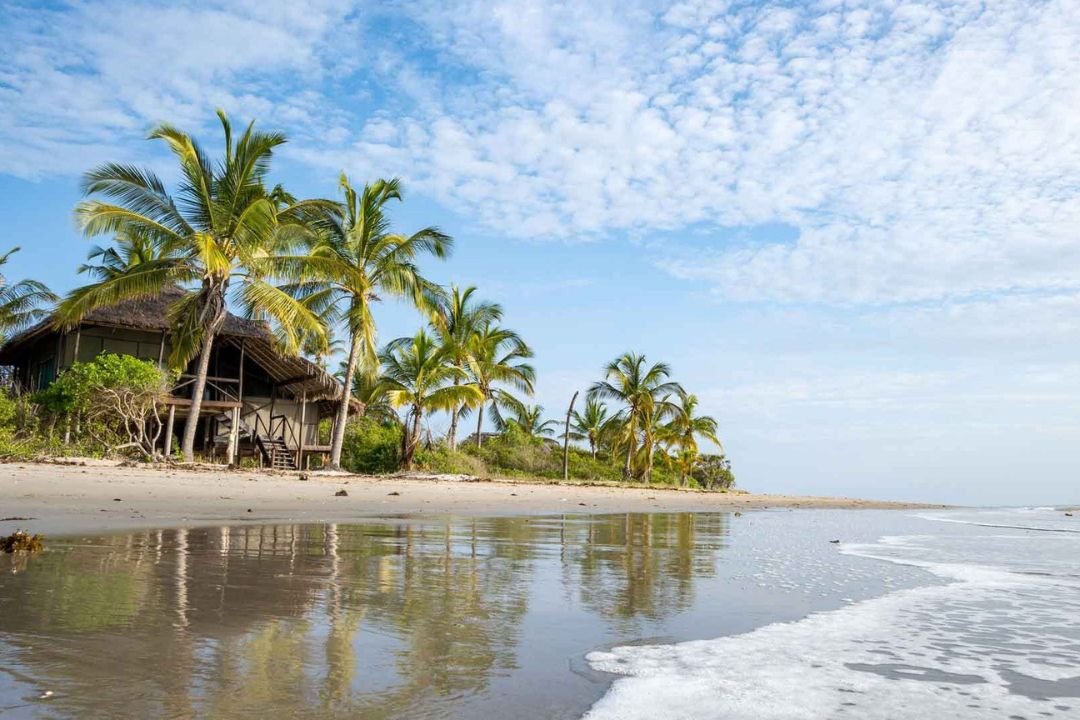
The untouched beaches of Saadani National Park stretch along the Indian Ocean, offering pristine sands, gentle tides, and scenic coastal views. Unlike traditional beach resorts, these shores are shared with wildlife, creating a peaceful and natural seaside environment.
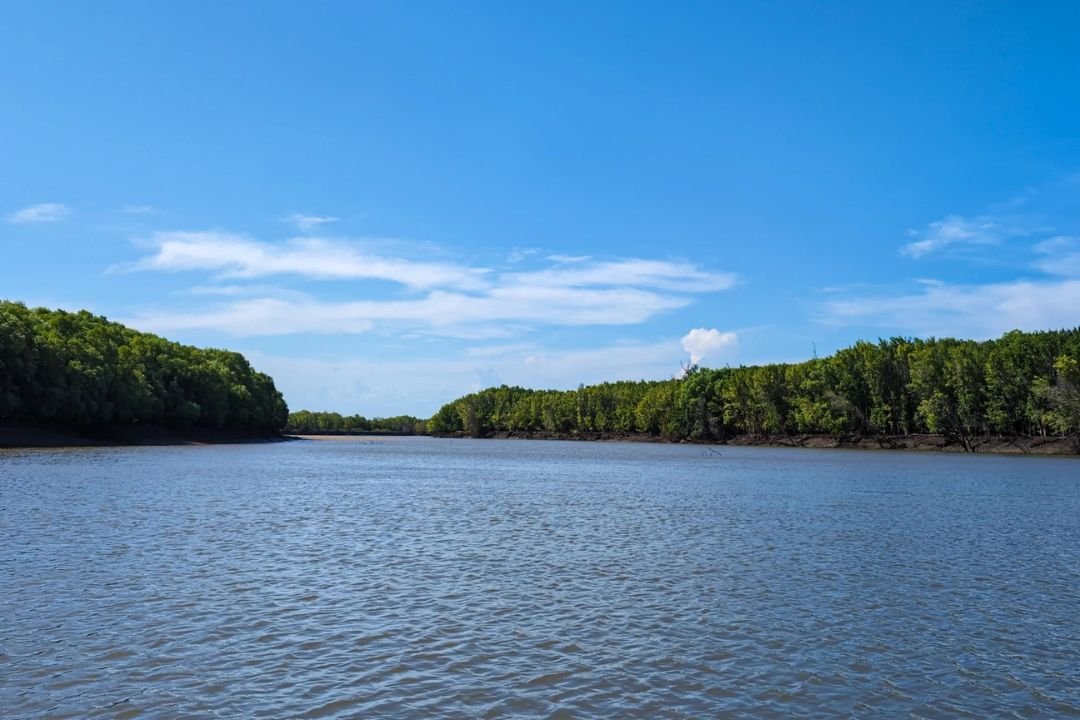
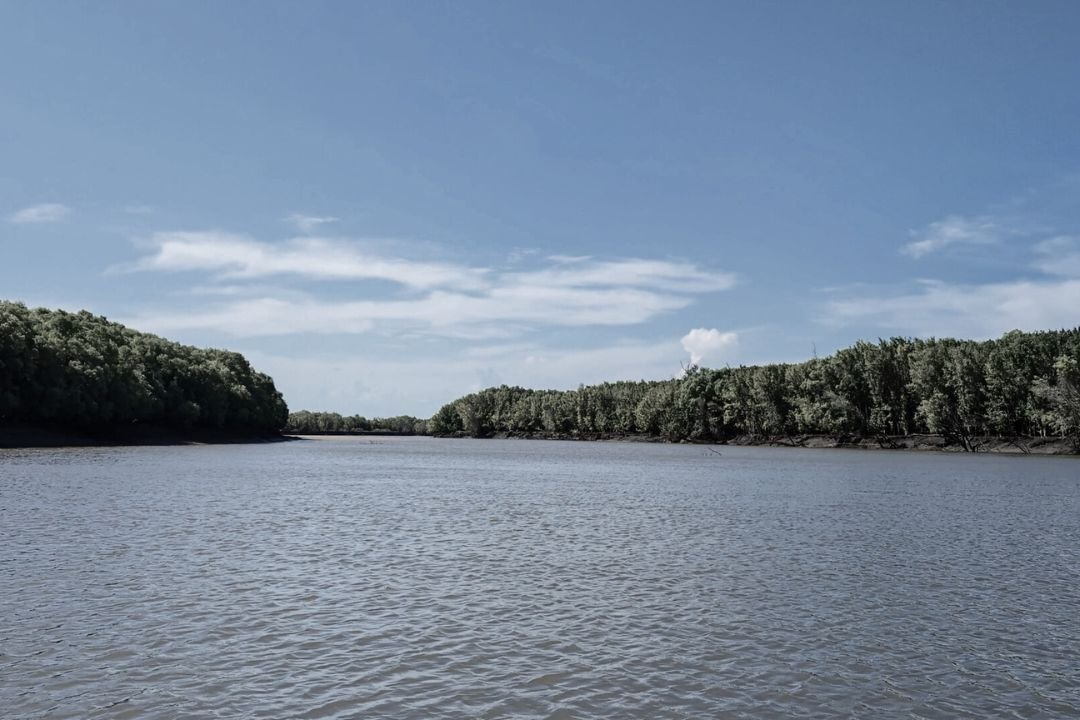
The Wami River flows through Saadani National Park and is a key wildlife corridor. Boat safaris along the river reveal hippos, crocodiles, and abundant birdlife, while lush riverbanks provide essential habitat for elephants and other large mammals.
Beyond the shoreline, Saadani National Park features open savannah and woodland habitats where giraffes, buffalo, zebra, and antelope roam. These landscapes offer classic game-drive experiences set against the unusual backdrop of coastal forests and ocean breezes.
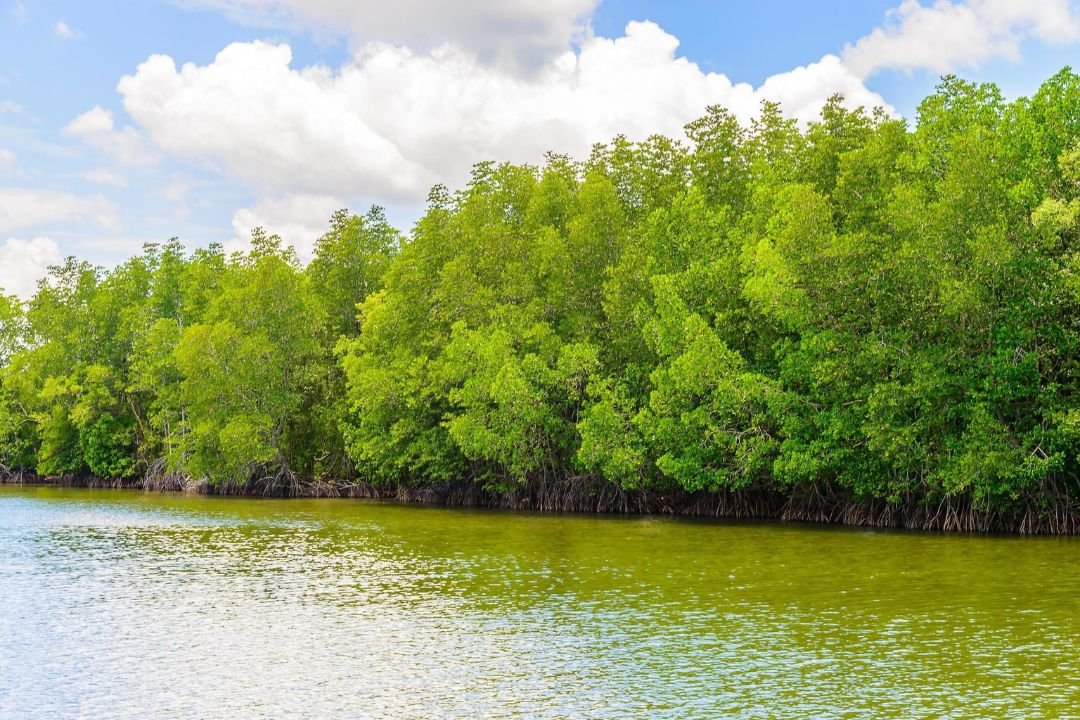
Mangrove forests line parts of the Saadani coastline and river estuaries, supporting fish nurseries, birdlife, and coastal biodiversity. These ecosystems play a vital role in shoreline protection and add ecological depth to the park’s diverse habitats.
Saadani National Park supports a wide variety of wildlife adapted to both coastal and savannah environments. The park’s diverse habitats allow for year-round sightings and unique species combinations rarely found elsewhere.


Saadani National Park has a rich history shaped by both wildlife conservation and coastal culture. The area was originally protected as a game reserve to safeguard wildlife populations along the coast and river systems.
Local communities historically relied on fishing, farming, and trade along the Indian Ocean and the Wami River. These traditional livelihoods influenced land use while maintaining a balance with surrounding ecosystems.
In 2005, Saadani was officially gazetted as a national park, becoming Tanzania’s only coastal national park. This designation expanded protection to include marine, riverine, and savannah habitats.
Since its establishment, conservation efforts have focused on habitat restoration, wildlife protection, and community involvement. The park also plays an important role in protecting marine breeding sites, including sea turtle nesting beaches.
Today, Saadani National Park stands as a symbol of innovative conservation, offering a rare blend of safari adventure and coastal serenity while supporting sustainable tourism and biodiversity protection.

