Nyerere National Park (Selous) is Africa’s largest national park and one of Tanzania’s most spectacular wilderness areas. Defined by vast savannahs, dense woodlands, wetlands, and the mighty Rufiji River, the park offers an untamed safari experience far removed from busy tourist routes.
Renowned for its exceptional biodiversity and low visitor density, Nyerere National Park (Selous) provides diverse safari activities rarely found elsewhere. Boat safaris, walking safaris, and classic game drives combine to create a deeply immersive journey into one of East Africa’s last great wilderness landscapes.
Nyerere National Park (Selous) is located in southern Tanzania, south of Dar es Salaam. Covering a vast area of over 30,000 square kilometers, the park stretches across remote and largely untouched ecosystems fed by the Rufiji River system.
Access is typically by light aircraft from Dar es Salaam, with scheduled and charter flights landing on remote airstrips within the park. Road access is possible but lengthy, making fly-in safaris the most practical and popular way to experience this immense wilderness.

A month by Month Guide
Early rains, lush scenery across highlands and northern parks. Excellent for photography, birdwatching, and cultural experiences. Southern Serengeti sees migration movement. Moderate crowds, beautiful landscapes. Coastal beaches warm, ideal for relaxation and festive holidays.
Rivers, lakes, and endless space
Nyerere National Park (Selous) is distinguished by its powerful river systems and immense size. The Rufiji River and its network of lakes and channels create a wildlife-rich environment, enabling boat safaris and supporting large populations of elephants, hippos, crocodiles, and predators.
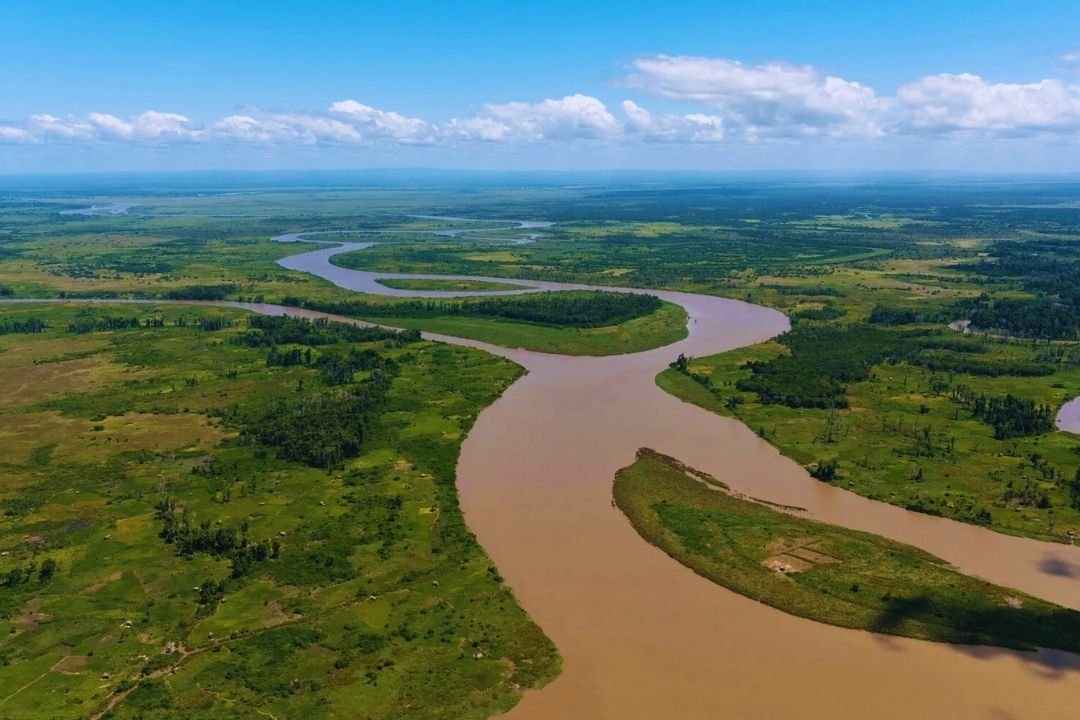
The Rufiji River is the lifeblood of Nyerere National Park (Selous). Its winding channels, oxbow lakes, and sandbanks support abundant wildlife. Boat safaris along the river offer close-up encounters with hippos, crocodiles, elephants, and waterbirds in a tranquil setting.
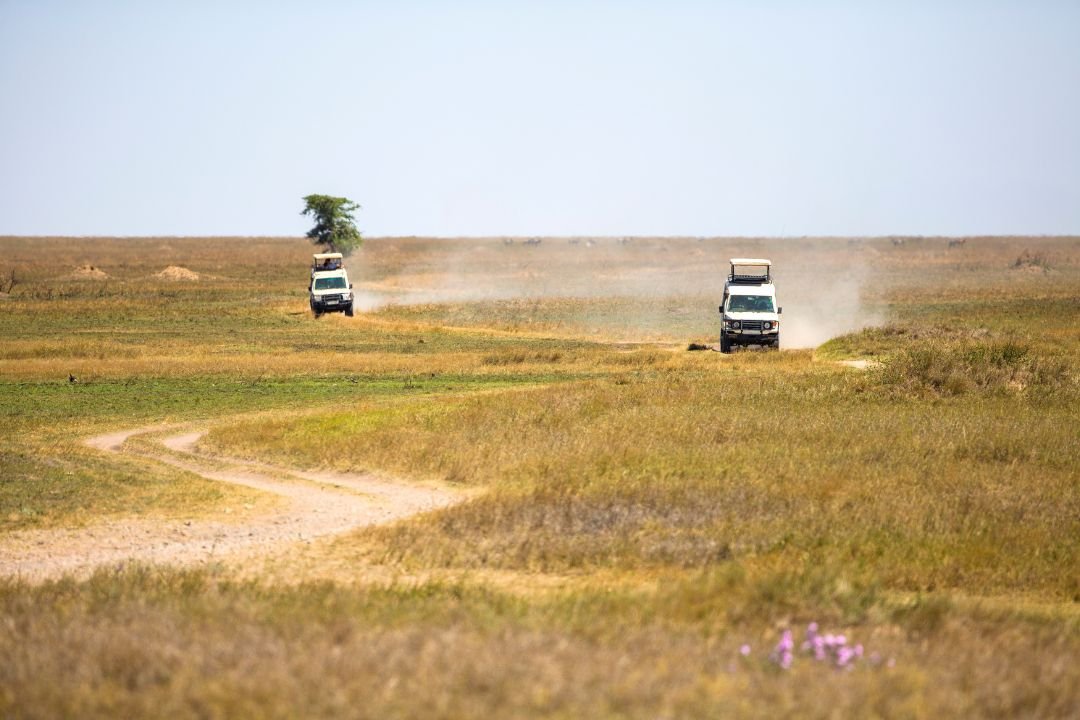
Expansive grasslands and floodplains stretch across Nyerere National Park (Selous), particularly during the dry season. These areas attract large concentrations of wildlife, including buffalo, antelope, and predators, providing classic safari scenes within a remote and untouched landscape.
Miombo woodlands dominate much of the park, interspersed with seasonal wetlands and lakes. These habitats support diverse wildlife species and offer varied scenery, from shaded forests to open marshes rich in birdlife and aquatic animals.
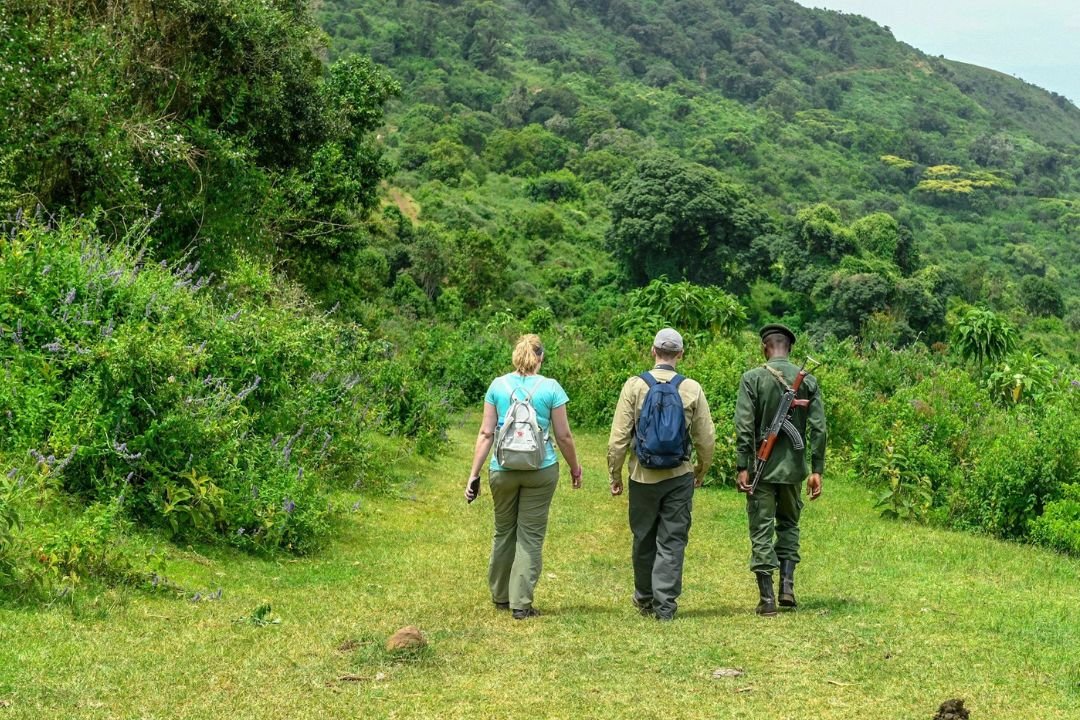
Nyerere National Park (Selous) is one of Tanzania’s premier destinations for guided walking safaris. Exploring on foot allows visitors to experience the ecosystem intimately, learning about tracks, plants, and animal behavior while moving safely through pristine wilderness.
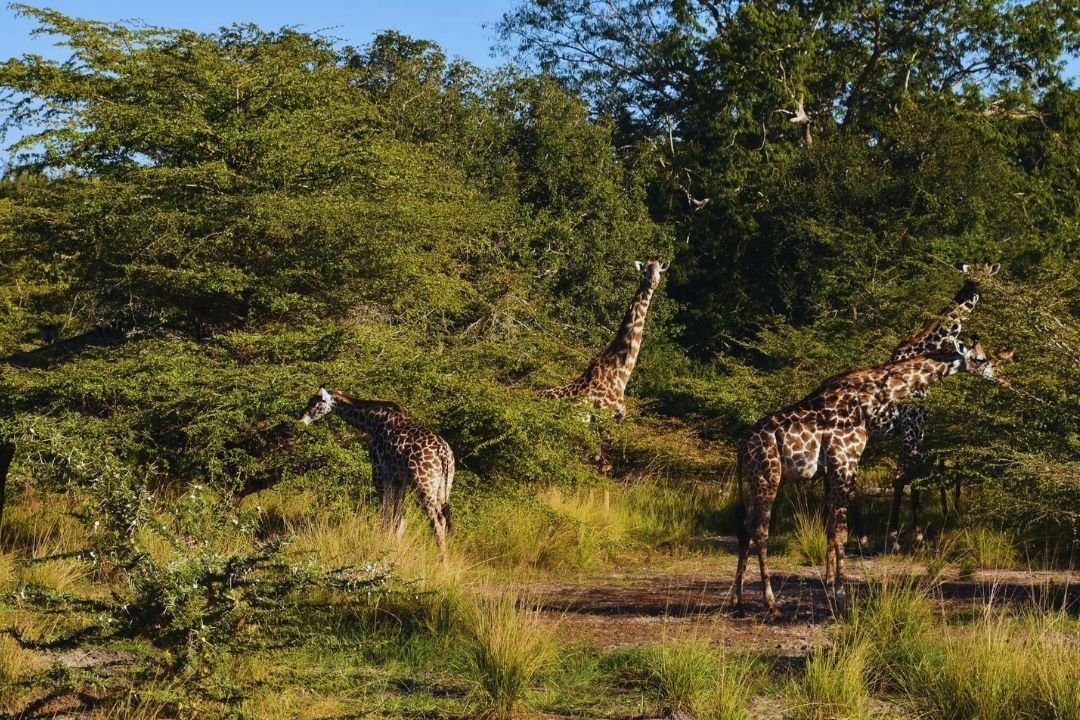
Nyerere National Park (Selous) hosts some of Africa’s most significant wildlife populations. Its vast, protected landscapes support both common and rare species, making it a stronghold for biodiversity in southern Tanzania.e.


Nyerere National Park (Selous) has a long history rooted in conservation. Originally designated as a game reserve in 1922, the Selous Game Reserve became one of the largest protected areas in the world, valued for its untouched ecosystems and wildlife diversity.
The area was named in honor of Frederick Courteney Selous, a renowned explorer and conservationist. Over decades, strict protection helped preserve the park’s wilderness character, even as pressures increased elsewhere in East Africa.
In 2019, part of the Selous Game Reserve was officially upgraded and renamed Nyerere National Park, honoring Tanzania’s first president, Julius Nyerere, and reinforcing its national conservation importance.
Today, Nyerere National Park (Selous) represents the future of African conservation—where vast landscapes, sustainable tourism, and community involvement work together to protect one of the continent’s greatest natural treasures.

