Ngorongoro Crater is one of the most remarkable natural wonders on Earth and the crown jewel of Tanzania’s Northern Safari Circuit. Formed over two million years ago following the collapse of a massive volcano, the crater spans approximately 260 square kilometers and is the largest intact volcanic caldera in the world. Its steep walls create a natural enclosure that protects a thriving and incredibly dense wildlife population.
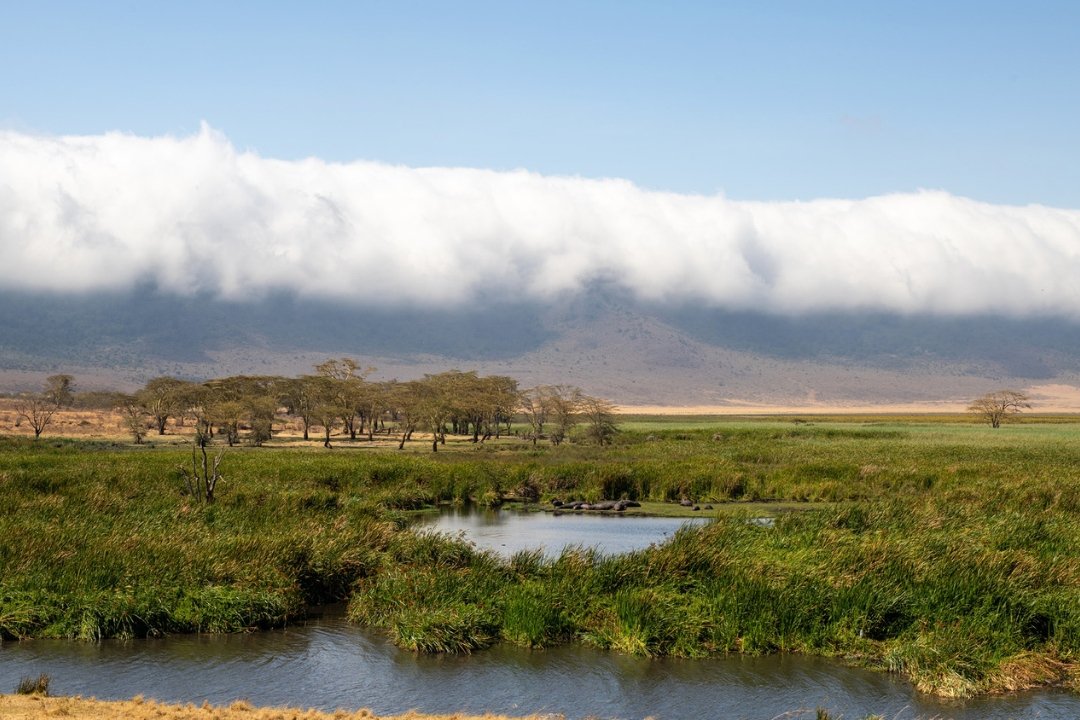
What makes Ngorongoro Crater exceptional is its self-sustaining ecosystem, where grasslands, swamps, forests, and a central soda lake exist in perfect balance. Permanent water sources allow animals to remain within the crater year-round, making wildlife sightings consistently rewarding. From large herds of grazers to powerful predators, Ngorongoro Crater delivers an immersive safari experience with dramatic scenery, cooler highland air, and unparalleled photographic opportunities.
Ngorongoro Crater is located in northern Tanzania within the Ngorongoro Conservation Area, a UNESCO World Heritage Site. It lies approximately 180 kilometers west of Arusha and borders the famous Serengeti National Park, forming an essential part of the Northern Safari Circuit.
The crater is easily accessible by road via Lake Manyara and Karatu town. Sitting at an elevation of over 2,200 meters above sea level, the crater rim offers breathtaking panoramic views and a noticeably cooler climate compared to surrounding savannah regions, adding to its unique appeal.

A month by Month Guide
Early rains, lush scenery across highlands and northern parks. Excellent for photography, birdwatching, and cultural experiences. Southern Serengeti sees migration movement. Moderate crowds, beautiful landscapes. Coastal beaches warm, ideal for relaxation and festive holidays.
A complete safari ecosystem contained within ancient volcanic walls
Ngorongoro Crater is unique because it hosts a complete and permanent wildlife ecosystem inside a single volcanic caldera. Reliable water sources, rich grazing grounds, and protected boundaries allow animals to thrive year-round, creating exceptional game viewing, biodiversity, and scenery within one of Africa’s most visually dramatic landscapes.
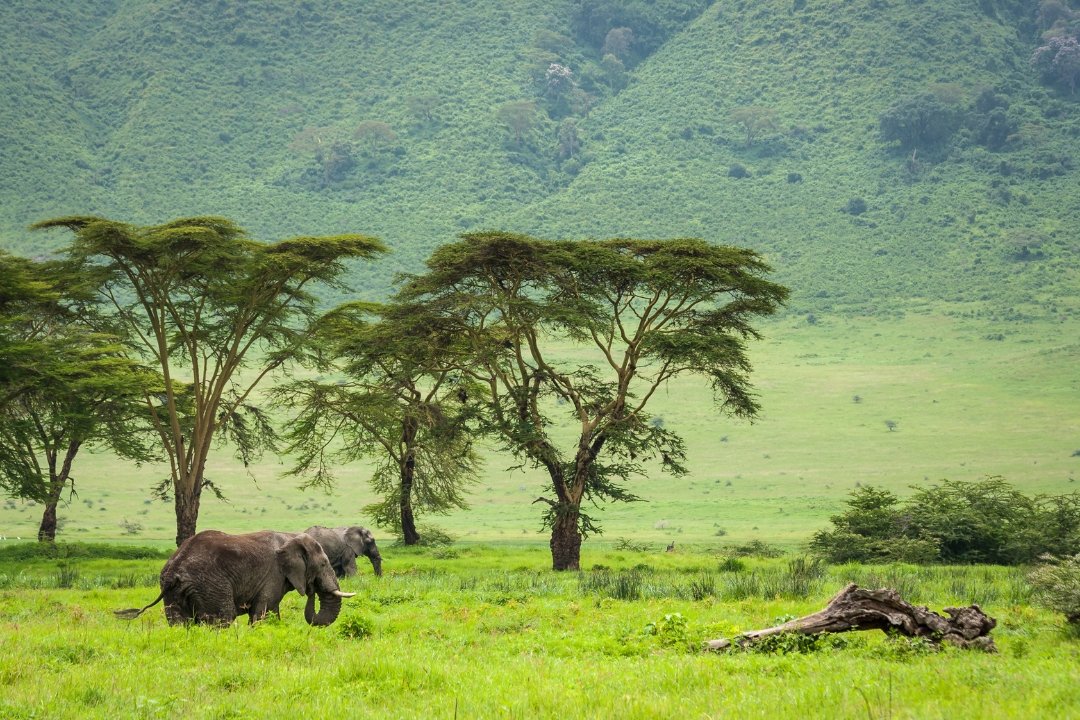


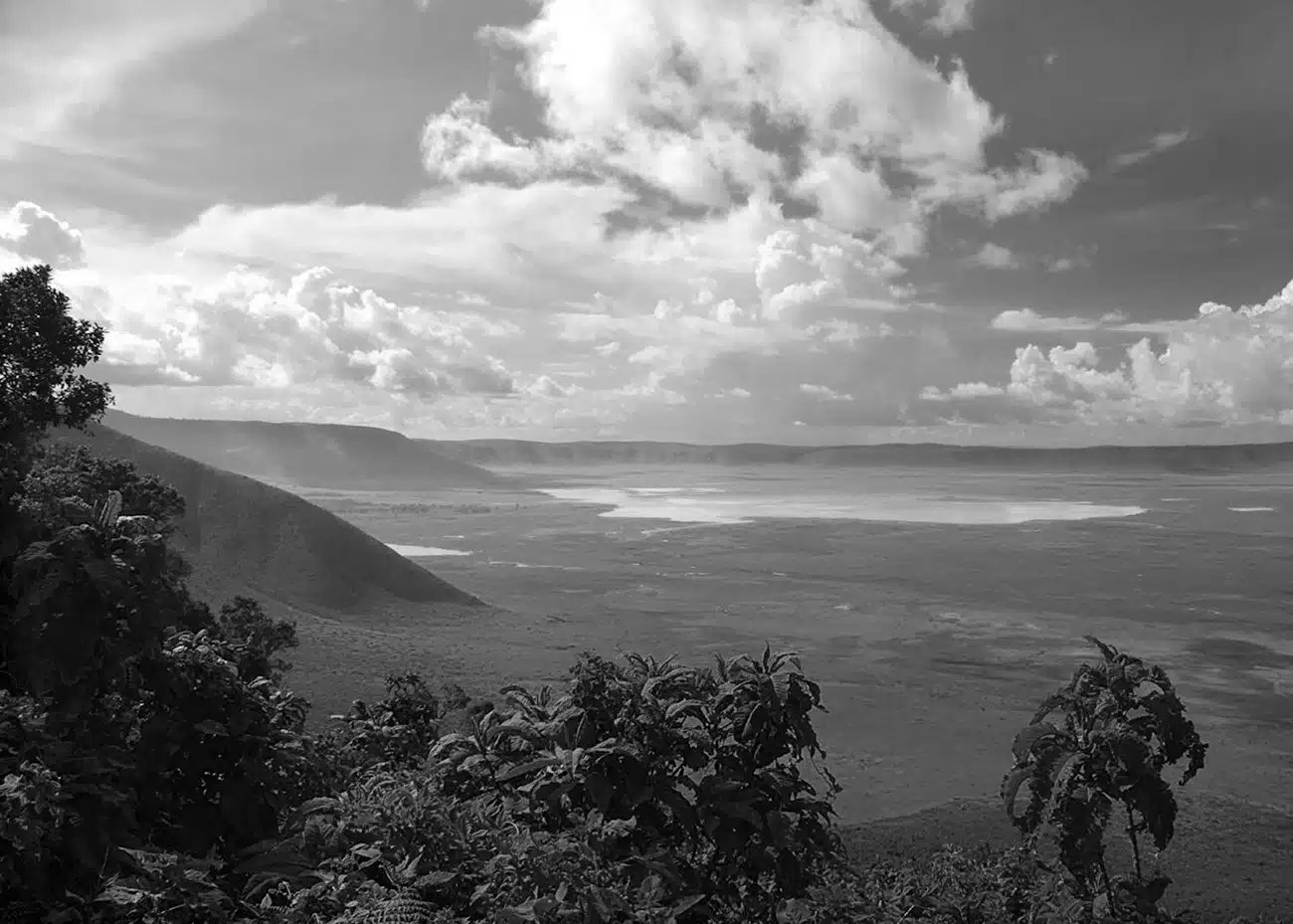
The story of Ngorongoro Crater begins millions of years ago, long before humans ever walked its rim. Around two to three million years ago, a massive volcano—believed to have been taller than Mount Kilimanjaro—is thought to have erupted violently before collapsing inward, creating the vast caldera seen today. Over time, rainfall, volcanic ash, and fertile soils transformed the crater floor into rich grasslands, forests, and wetlands, laying the foundation for one of the most productive ecosystems on Earth.
Human history in the Ngorongoro region is equally profound. Just a short distance away lies Olduvai Gorge, one of the world’s most important paleoanthropological sites, where fossils and stone tools dating back nearly two million years reveal evidence of early human ancestors. These discoveries cemented Ngorongoro’s place not only in natural history but also in the story of human evolution, earning it global scientific importance.
For centuries, the area surrounding Ngorongoro Crater has been home to the Maasai people, who migrated into the region over 300 years ago. The Maasai developed a semi-nomadic pastoral lifestyle, grazing their cattle across the highlands while coexisting with wildlife. Their deep cultural connection to the land, respect for nature, and traditional practices shaped the landscape long before formal conservation existed.
During the colonial era in the early 20th century, wildlife populations across East Africa began to decline due to hunting and land pressure. Ngorongoro was initially included within Serengeti National Park, but growing conflicts between wildlife conservation and human settlement led to a new approach. In 1959, the Ngorongoro Conservation Area was officially established, separating it from Serengeti National Park and introducing a groundbreaking model that allowed both wildlife conservation and human habitation to coexist.
This multiple-land-use concept was revolutionary at the time. Unlike national parks where human settlement is prohibited, the Ngorongoro Conservation Area recognized the rights of the Maasai while prioritizing the protection of wildlife and fragile ecosystems. The crater itself was designated a strictly protected zone, preserving its unique environment and ensuring its wildlife populations remained stable.
In recognition of its exceptional natural beauty, biodiversity, and cultural significance, Ngorongoro was designated a UNESCO World Heritage Site in 1979. Later, it also received recognition as a UNESCO Biosphere Reserve and a Global Geopark, reflecting its importance to science, conservation, and humanity as a whole.
Today, Ngorongoro Crater stands as a symbol of successful conservation, where ancient geology, wildlife, and human history intersect. Its story is one of balance—between nature and people, past and present—and it continues to inspire visitors from around the world as one of Africa’s most extraordinary landscapes.

