Lake Eyasi is a remote and culturally rich destination in northern Tanzania, offering a unique blend of dramatic Rift Valley landscapes and living traditions. Unlike traditional wildlife-focused safari parks, Lake Eyasi is renowned for its cultural encounters, tranquil scenery, and authentic connection to some of East Africa’s oldest communities.
Set at the base of the Great Rift Valley escarpment, Lake Eyasi is a seasonal soda lake surrounded by rocky hills, acacia woodland, and open plains. The area provides a peaceful retreat from busier safari routes and is often included as a cultural extension to Ngorongoro and Serengeti safaris.
Lake Eyasi is located in northern Tanzania, southwest of the Ngorongoro Conservation Area and south of Serengeti National Park. The lake sits within the Rift Valley floor, creating a striking contrast between steep escarpments and flat, open landscapes.
It is approximately 80 kilometers from Karatu and can be accessed by road, though routes can be rough, especially during the rainy season. Lake Eyasi is typically visited as an overnight cultural stop or combined with Northern Circuit safaris for travelers seeking deeper cultural insight.

A month by Month Guide
Early rains, lush scenery across highlands and northern parks. Excellent for photography, birdwatching, and cultural experiences. Southern Serengeti sees migration movement. Moderate crowds, beautiful landscapes. Coastal beaches warm, ideal for relaxation and festive holidays.
Where traditions endure
Lake Eyasi is unique for its living cultural heritage. The region is home to the Hadzabe and Datoga communities, whose traditional lifestyles have remained largely unchanged for generations. Visitors experience an authentic cultural exchange set within a raw and beautiful natural environment.
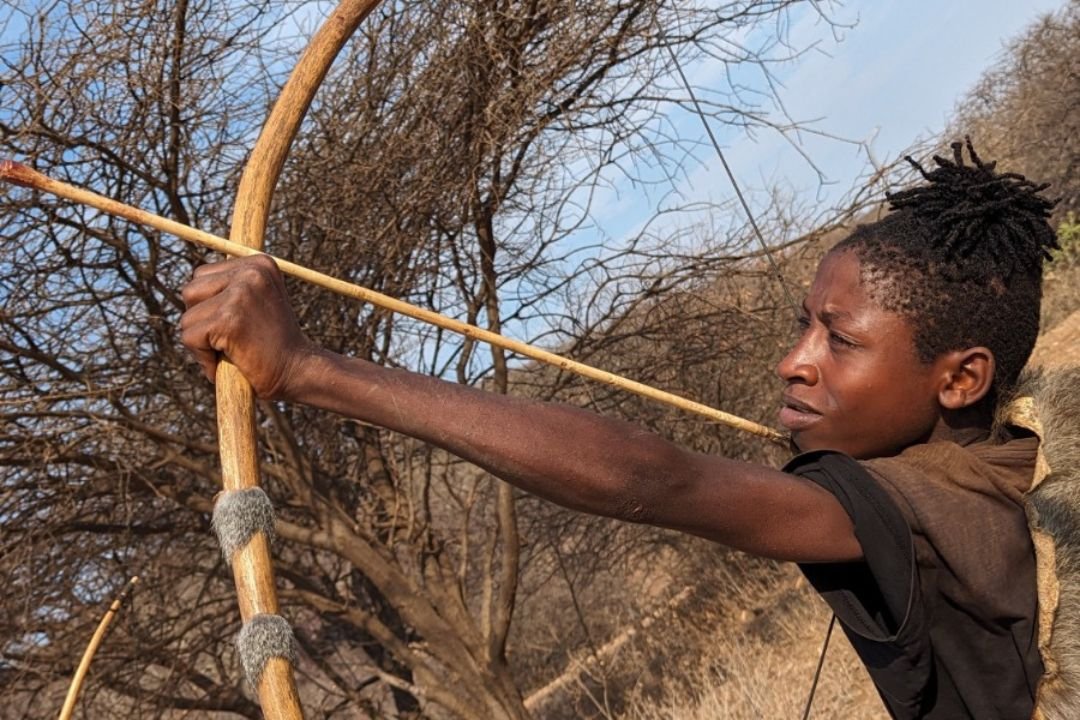
The Hadzabe are among the last hunter-gatherer tribes in East Africa. Visiting their community offers insight into traditional hunting methods, survival skills, and daily life. These experiences are conducted respectfully and provide meaningful cultural understanding rather than staged tourism.
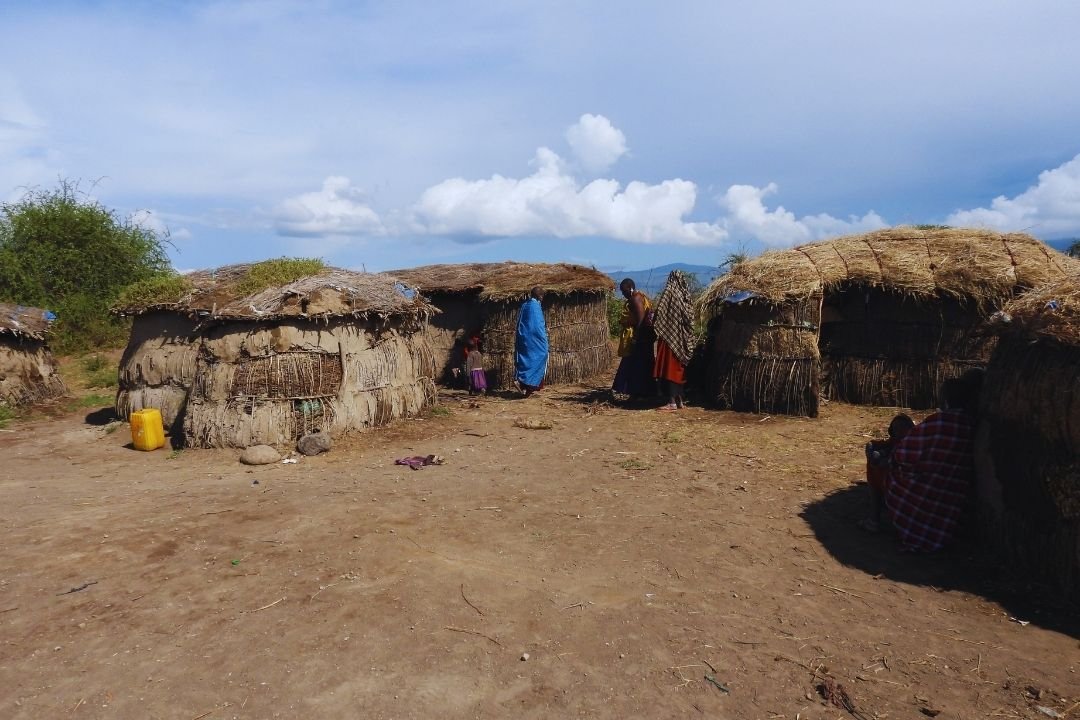
The Datoga people are skilled pastoralists and blacksmiths known for their craftsmanship and cattle culture. Visitors can observe traditional metalwork and learn about Datoga customs, offering a deeper appreciation of Tanzania’s diverse ethnic heritage.
The shallow, seasonal waters of Lake Eyasi attract flamingos and other waterbirds during wetter periods. The shoreline provides peaceful walks, birdwatching opportunities, and stunning sunrise and sunset views framed by the Rift Valley escarpment.
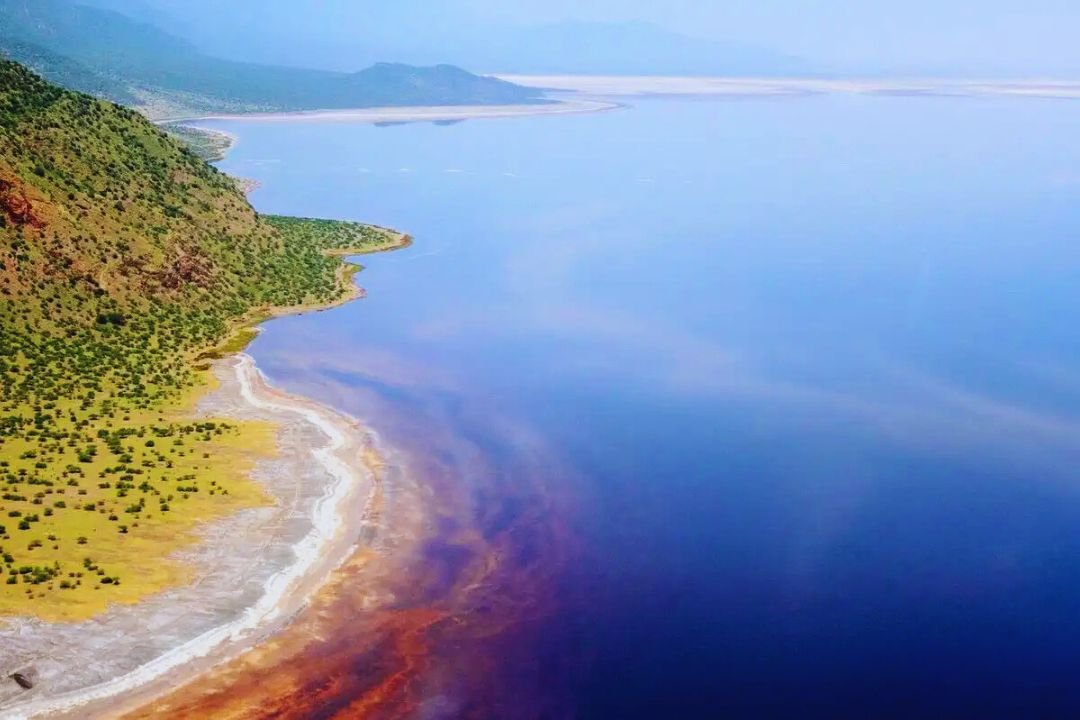
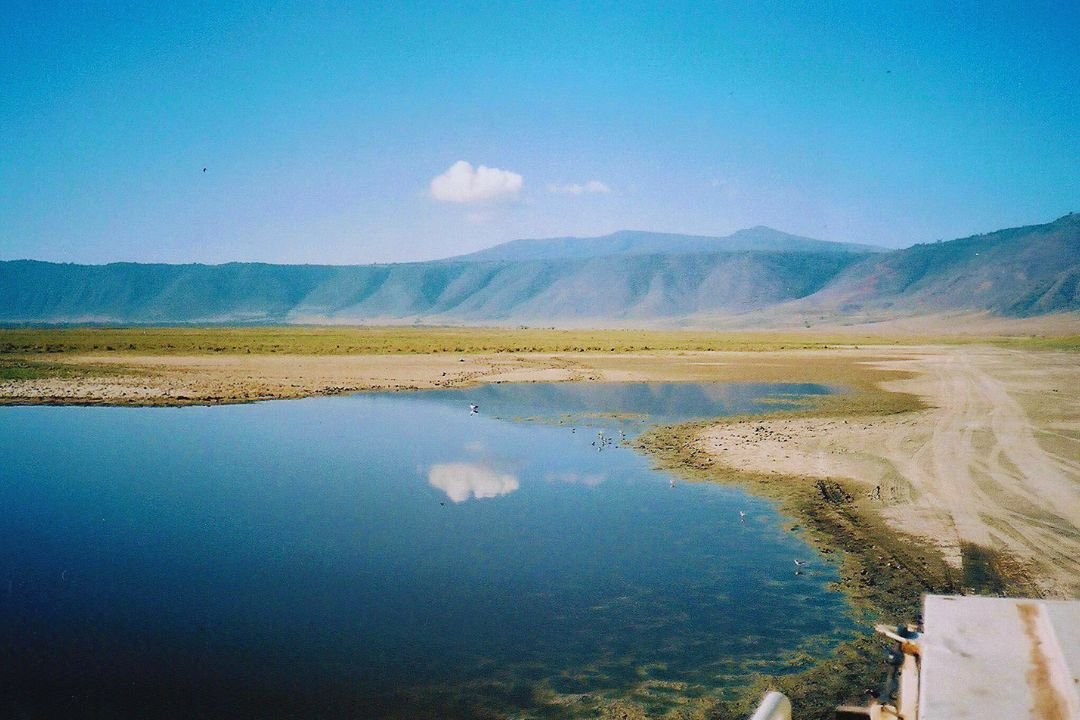
Towering cliffs rise dramatically above Lake Eyasi, creating a powerful sense of scale and isolation. These escarpments offer panoramic viewpoints, photographic opportunities, and a deeper understanding of the geological forces that shaped the region.
While Lake Eyasi is not a traditional big-game destination, the surrounding woodlands and plains support a variety of wildlife and birdlife. The area is especially rewarding for birdwatchers and travelers interested in nature beyond classic safari scenes.


Lake Eyasi’s history is deeply rooted in human settlement and survival. For thousands of years, the Hadzabe people have lived along the lake’s shores, relying on hunting and foraging in harmony with the land.
The Datoga community arrived later, establishing a pastoralist lifestyle centered on cattle herding and metalworking. Together, these communities shaped the cultural identity of the Lake Eyasi region.
During the colonial period, the area remained largely undeveloped due to its remote location and challenging environment. This isolation helped preserve both the landscape and traditional ways of life.
Today, Lake Eyasi stands as one of Tanzania’s most culturally significant destinations. It offers travelers a rare opportunity to connect with ancient traditions, dramatic landscapes, and a slower, more reflective side of East Africa.

