
Gombe Stream National Park is one of Tanzania’s smallest yet most globally significant national parks, renowned for its intimate wildlife encounters and pioneering chimpanzee research. Set along the shores of Lake Tanganyika, the park combines steep forested valleys, clear streams, and lakefront landscapes into a deeply immersive natural experience.
Despite covering a compact area, Gombe Stream National Park offers extraordinary biodiversity and emotional impact. Its dense forests support habituated chimpanzees, while the lake and surrounding hills create a peaceful, almost untouched atmosphere. The park is best known for primate trekking, conservation history, and its sense of closeness to nature rarely found elsewhere in Africa.
Gombe Stream National Park is located in western Tanzania along the eastern shoreline of Lake Tanganyika, near the town of Kigoma. It is one of the most remote parks in the country, accessible only by boat from Kigoma, which adds to its exclusivity and pristine condition.
The park lies approximately 16 kilometers north of Kigoma town and stretches along the lake’s edge, backed by steep mountain terrain. Its isolation protects fragile ecosystems and creates a truly off-the-beaten-path safari experience, ideal for travelers seeking authenticity, research history, and intimate wildlife encounters.

A month by Month Guide
Early rains, lush scenery across highlands and northern parks. Excellent for photography, birdwatching, and cultural experiences. Southern Serengeti sees migration movement. Moderate crowds, beautiful landscapes. Coastal beaches warm, ideal for relaxation and festive holidays.
Where chimpanzee research changed the world
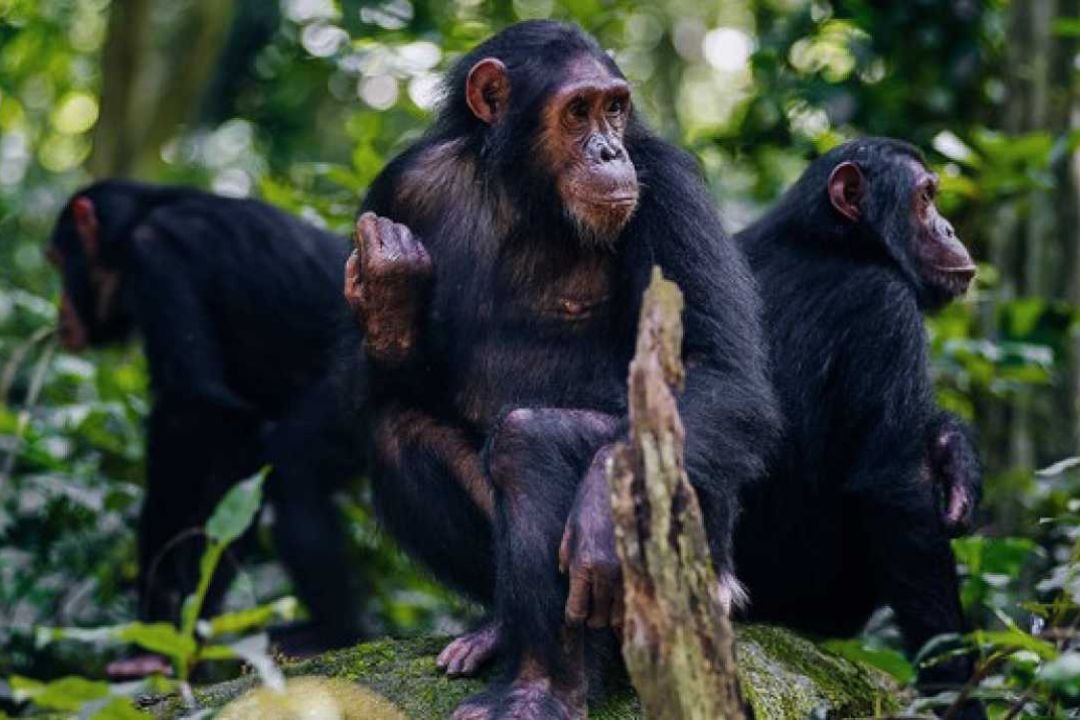
Gombe Stream National Park is internationally famous as the site of Jane Goodall’s groundbreaking chimpanzee research. Its habituated chimpanzees allow visitors to observe complex social behavior up close, making the park one of the best places in Africa for ethical, educational primate trekking.
The forested valleys of Gombe Stream National Park are home to several communities of chimpanzees living in their natural habitat. Trekking through dense vegetation and listening for calls creates a thrilling sense of discovery, culminating in unforgettable encounters with these intelligent and social primates.
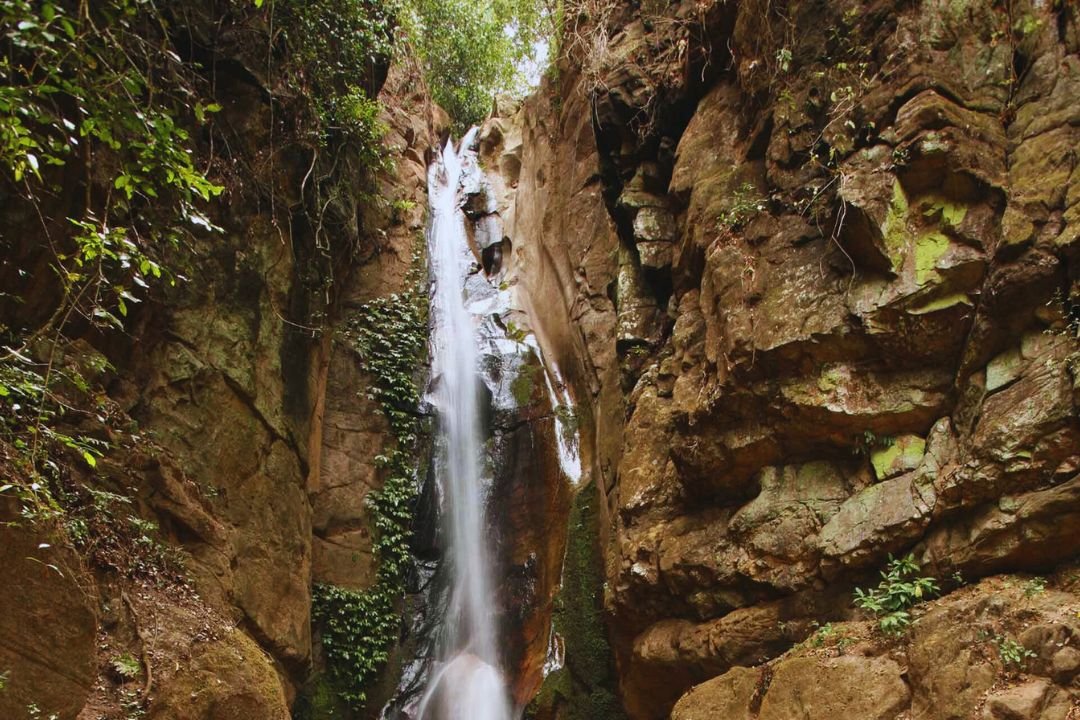
Kakombe Valley is one of the most scenic areas in Gombe Stream National Park, featuring lush vegetation, flowing streams, and excellent chimpanzee trekking opportunities. The valley’s steep slopes and forest cover provide a classic Gombe landscape and are central to the park’s ecological and research significance.
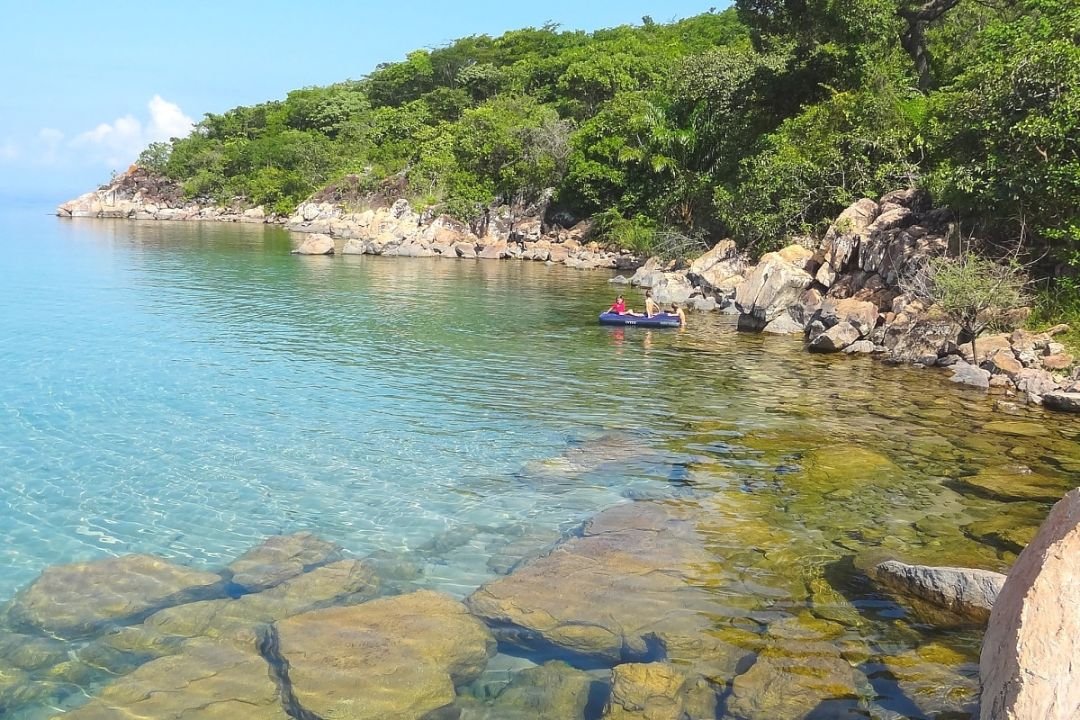
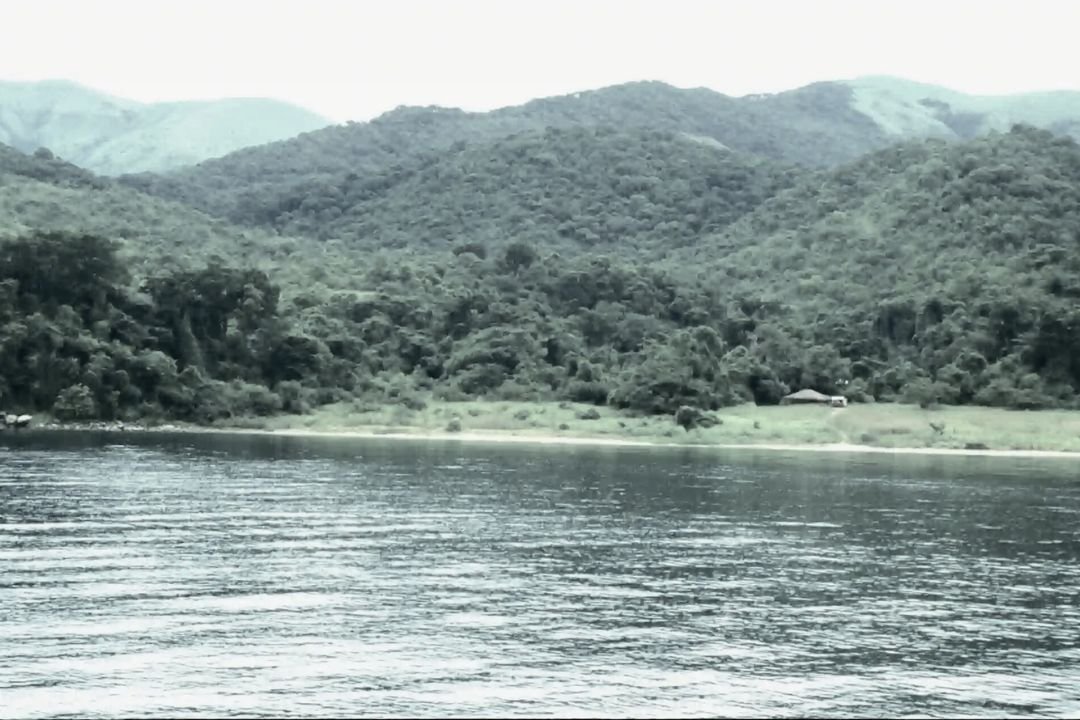
The shoreline of Lake Tanganyika adds a tranquil contrast to the forested interior. Clear waters, sandy beaches, and gentle waves offer opportunities for swimming, relaxation, and scenic boat rides. The lake also supports fish species found nowhere else in the world.
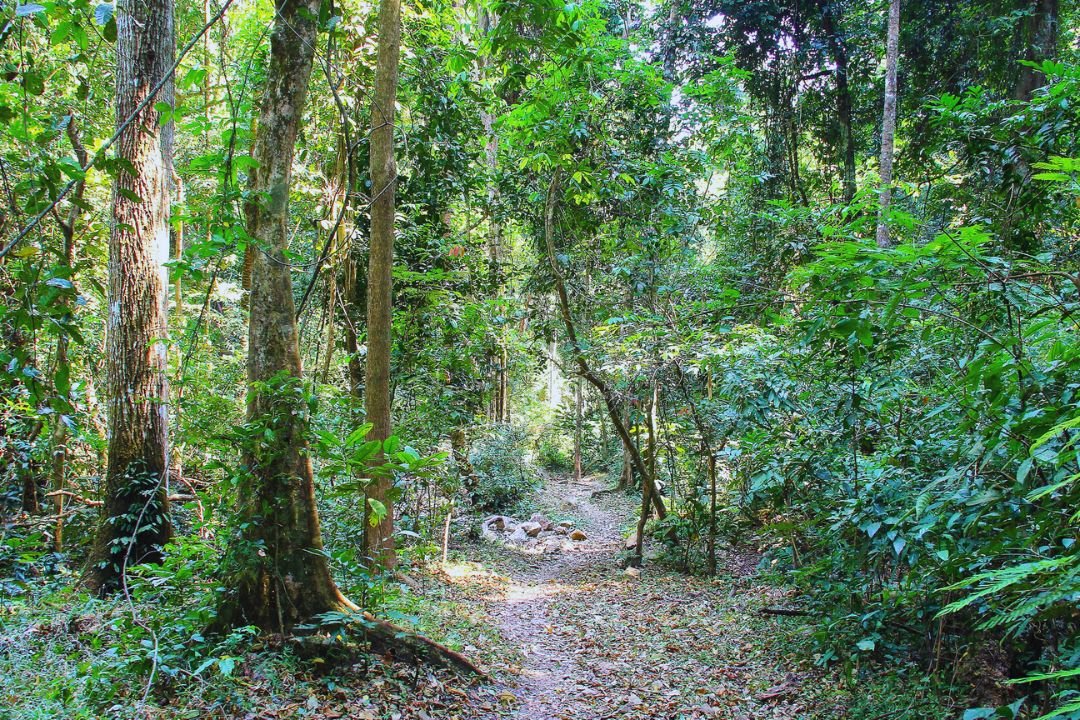
Steep trails wind through the hills of Gombe Stream National Park, offering panoramic views of Lake Tanganyika and the surrounding wilderness. These trails enhance the trekking experience and provide sightings of forest birds, monkeys, and smaller mammals adapted to the rugged terrain.
Gombe Stream National Park is primarily a primate destination, but its diverse forest and lake ecosystems support a range of wildlife species. The park’s protected habitats allow animals to live undisturbed, offering authentic and meaningful wildlife encounters.


Gombe Stream National Park holds a unique place in conservation and scientific history. In 1960, Jane Goodall arrived at Gombe to study wild chimpanzees, beginning research that would transform global understanding of primate behavior, tool use, and social structures.
Her long-term research revealed that chimpanzees make and use tools, form complex social bonds, and display emotional intelligence—discoveries that challenged long-standing assumptions about human uniqueness. Gombe quickly became one of the most important wildlife research sites in the world.
The area was officially gazetted as a national park in 1968 to protect chimpanzee populations and their fragile forest habitat. Conservation efforts expanded to include local community engagement and habitat protection beyond park boundaries.
Over the decades, Gombe Stream National Park became a model for combining research, conservation, and responsible tourism. The park demonstrates how scientific study can directly support wildlife protection and ecosystem preservation.
Today, Gombe Stream National Park remains a symbol of conservation success and ethical wildlife tourism. Visitors contribute to ongoing research and protection efforts while experiencing one of Africa’s most intimate and meaningful national parks.

