Arusha National Park is one of Tanzania’s most scenic and diverse safari destinations, offering a rare blend of lush forests, volcanic landscapes, and alpine beauty. Centered around the majestic Mount Meru, the park delivers a peaceful yet wildlife-rich experience just moments from Arusha city.
Despite its modest size, Arusha National Park showcases remarkable ecological variety. From dense montane forests and open savannah to sparkling crater lakes, the park supports abundant wildlife and birdlife. It is ideal for day safaris, walking safaris, canoeing, and as a gentle introduction to Tanzania’s Northern Safari Circuit.
Arusha National Park is located in northern Tanzania, just northeast of Arusha city. Sitting at the foothills of Mount Meru, the park lies within easy reach of Kilimanjaro International Airport, making it one of the most accessible national parks in the country.
The park is approximately 40 kilometers from Arusha town and can be reached in under an hour by road. Its location makes it perfect for short safaris, pre- or post-Kilimanjaro treks, and travelers seeking rich nature experiences without long travel distances.

A month by Month Guide
Early rains, lush scenery across highlands and northern parks. Excellent for photography, birdwatching, and cultural experiences. Southern Serengeti sees migration movement. Moderate crowds, beautiful landscapes. Coastal beaches warm, ideal for relaxation and festive holidays.
From rainforest to alpine views
Arusha National Park stands out for its dramatic landscapes packed into a small area. Visitors experience rainforests, crater lakes, open grasslands, and mountain slopes in a single drive, combined with walking safaris and canoeing activities rarely offered in other northern parks.
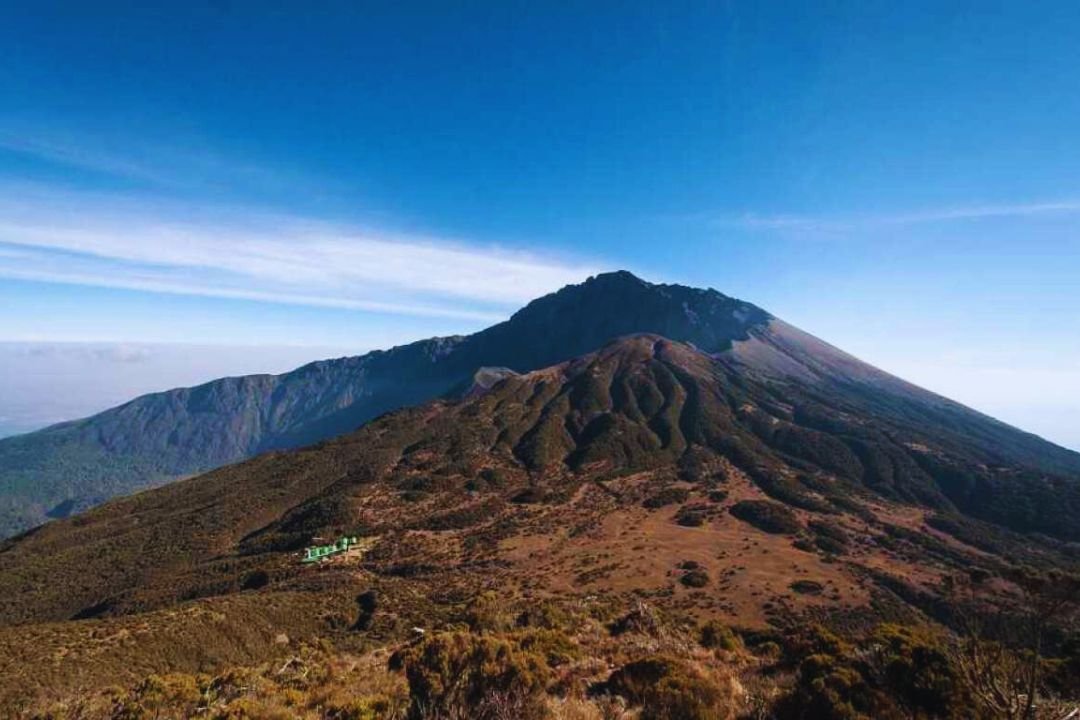
Mount Meru dominates Arusha National Park and is Tanzania’s second-highest mountain. Its forested slopes, dramatic crater, and alpine scenery create a stunning backdrop for wildlife viewing. The mountain also attracts hikers and climbers seeking a challenging yet less crowded alternative to Kilimanjaro.
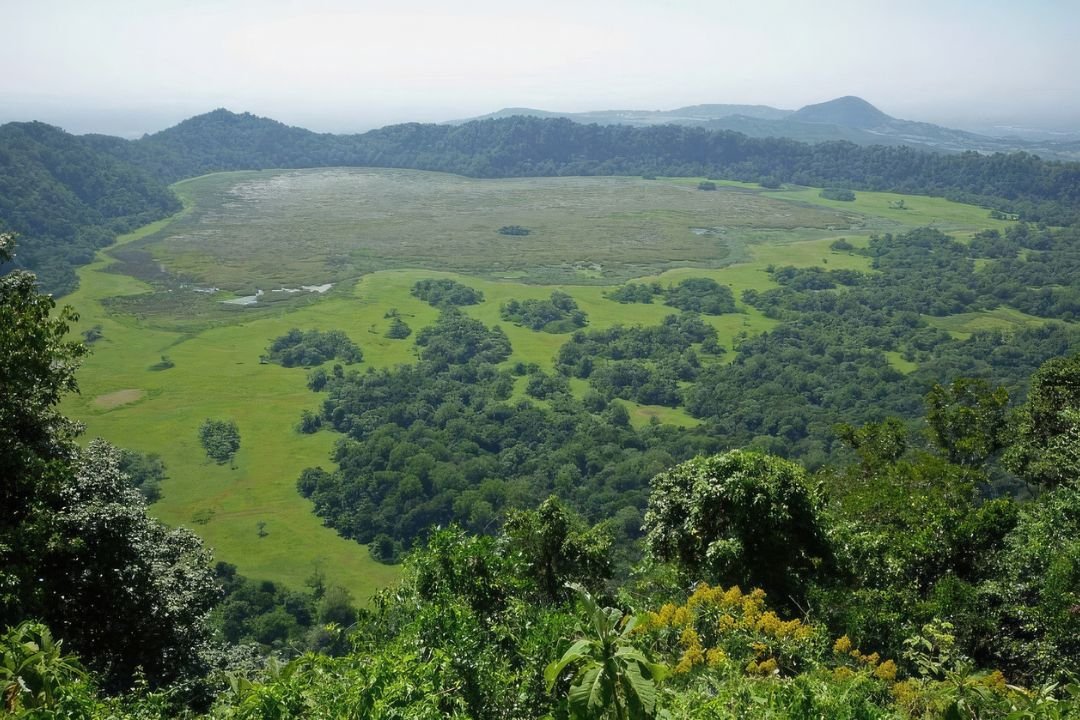
Often called “Little Ngorongoro,” Ngurdoto Crater is a lush volcanic caldera filled with forest and open grassland. The crater floor supports buffalo, warthog, and antelope, while viewing points along the rim offer spectacular panoramas across this untouched landscape.
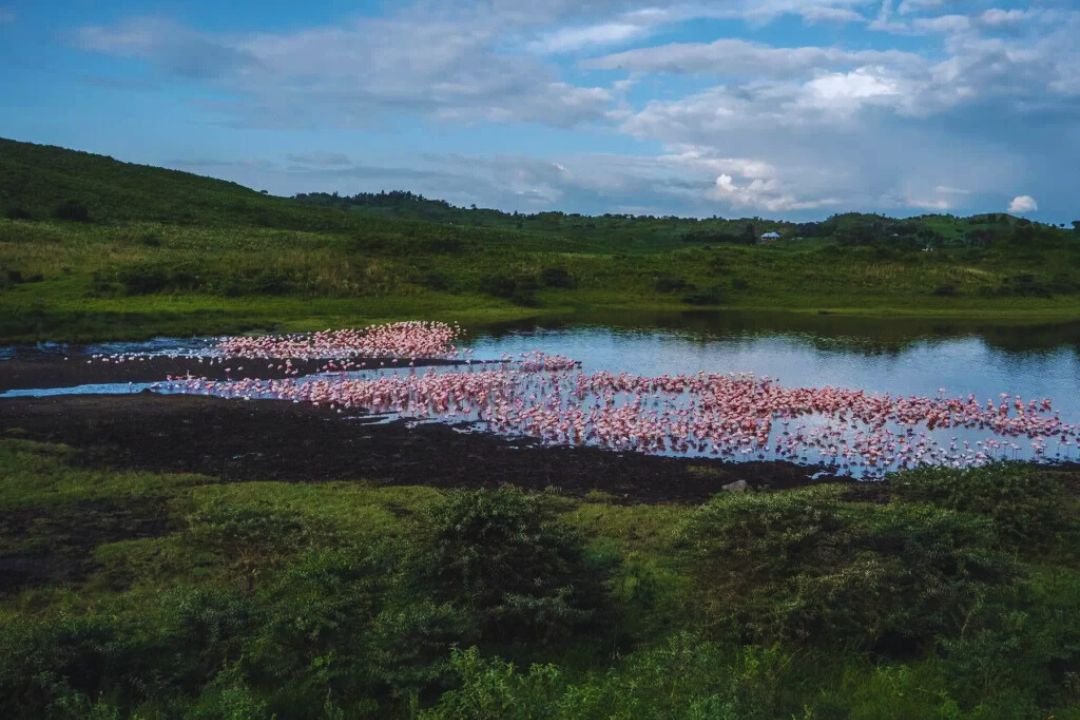
The Momella Lakes are a chain of shallow alkaline and freshwater lakes known for their striking colors and abundant birdlife. Flamingos, pelicans, and waterfowl gather here in large numbers, creating one of the most scenic and tranquil areas within Arusha National Park.
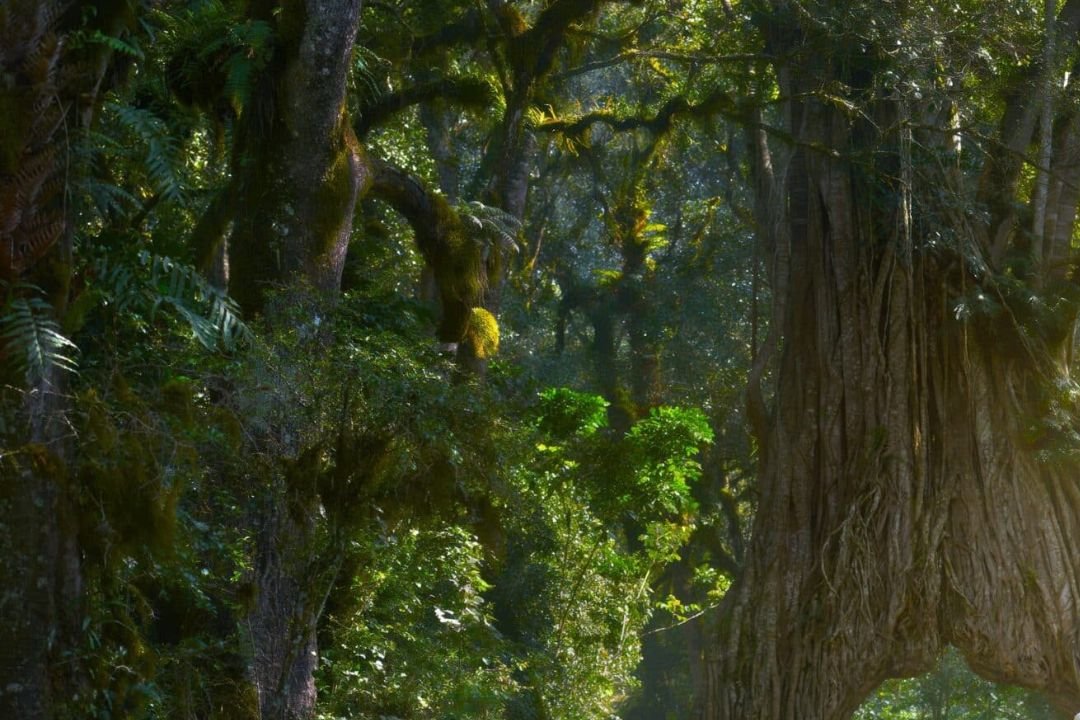
Dense montane forests cover much of Arusha National Park, providing habitat for primates and forest wildlife. Black-and-white colobus monkeys, blue monkeys, and diverse bird species thrive in these cool, green environments, making forest walks and game drives especially rewarding.
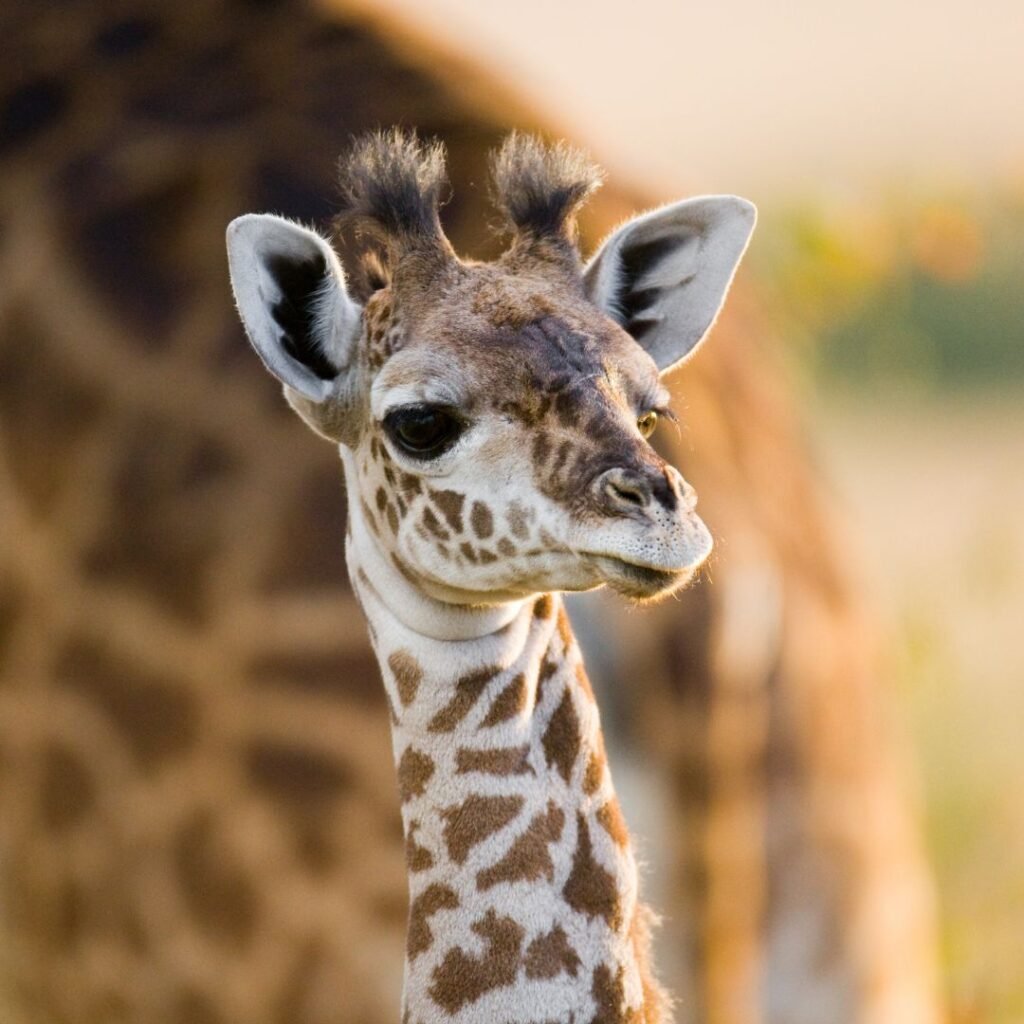
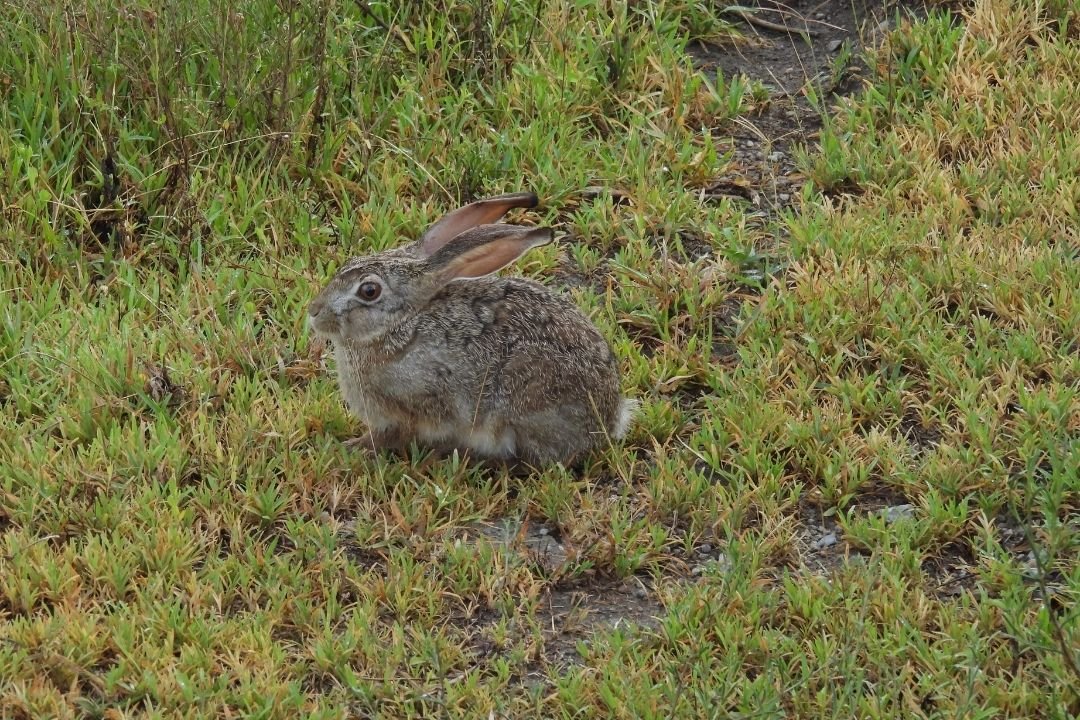
Arusha National Park is rich in wildlife adapted to forest and open habitats. While large predators are absent, the park offers excellent sightings of herbivores, primates, and birdlife, making it ideal for relaxed and scenic safaris.


Arusha National Park’s history is closely tied to Mount Meru and the surrounding volcanic landscapes. The area was traditionally inhabited by local communities who used the fertile lands and forests for grazing, hunting, and seasonal movement.
During the early colonial period, the region was recognized for its scenic beauty and ecological importance. Conservation efforts began with the protection of Mount Meru and nearby crater areas to preserve forests, wildlife, and water catchments.
In 1960, Arusha National Park was officially gazetted, combining Mount Meru, Ngurdoto Crater, and the Momella Lakes into a single protected area. This ensured the long-term conservation of its diverse habitats and wildlife.
Today, Arusha National Park plays a vital role in Tanzania’s tourism and conservation landscape. It is valued for its accessibility, unique activities, and scenic diversity, offering a peaceful yet rewarding safari experience within the Northern Safari Circuit.

