
Mahale Mountains National Park is one of Africa’s most remote and enchanting safari destinations, famed for its wild chimpanzees, forested mountains, and pristine beaches along Lake Tanganyika. It offers a rare blend of primate tracking, tropical scenery, and deep wilderness.
The park’s dramatic landscape rises steeply from the shores of Lake Tanganyika into densely forested mountains. Mahale Mountains National Park protects one of the largest remaining populations of wild chimpanzees in Tanzania, set within a breathtaking and untouched natural environment.
Mahale Mountains National Park is located in western Tanzania on the eastern shores of Lake Tanganyika. The park is accessible only by boat or small aircraft, reinforcing its sense of isolation and exclusivity.
Most visitors reach Mahale Mountains National Park by light aircraft from Arusha or Dar es Salaam to nearby airstrips, followed by a boat transfer across Lake Tanganyika. This journey adds to the adventure and remote character of the destination.

A month by Month Guide
Early rains, lush scenery across highlands and northern parks. Excellent for photography, birdwatching, and cultural experiences. Southern Serengeti sees migration movement. Moderate crowds, beautiful landscapes. Coastal beaches warm, ideal for relaxation and festive holidays.
Where wilderness feels untouched
Mahale Mountains National Park is unique for combining chimpanzee trekking with white-sand beaches and forested mountains. Few places in Africa offer the chance to track chimpanzees in the morning and relax by a crystal-clear lake in the afternoon.
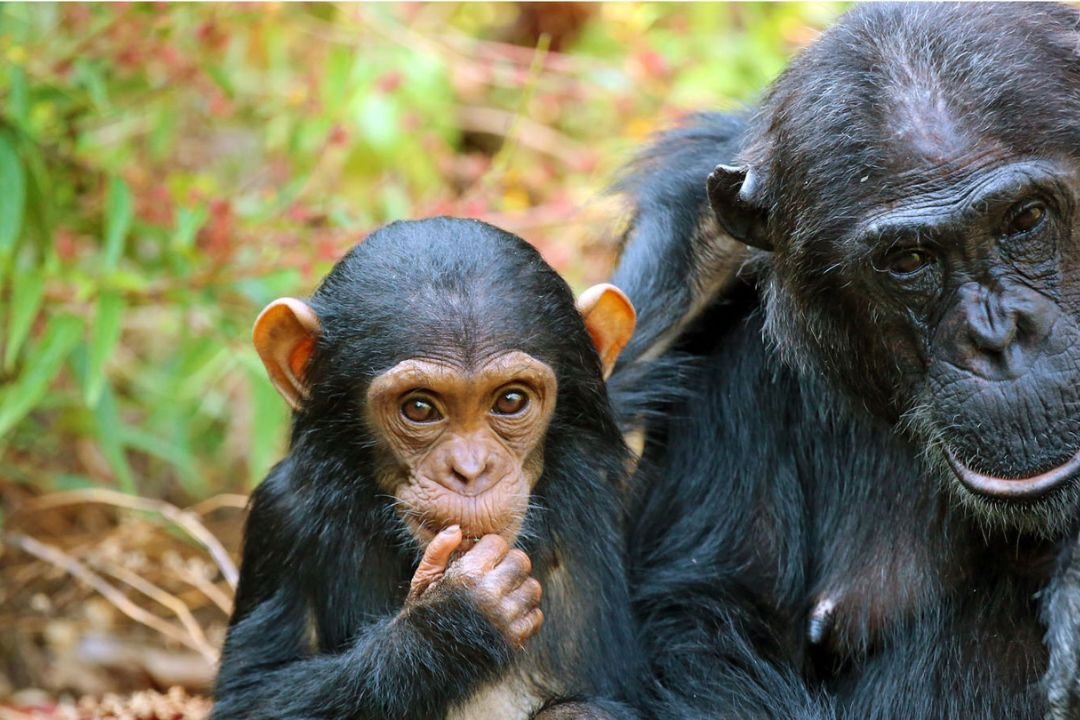
Chimpanzee trekking is the highlight of Mahale Mountains National Park. Guided forest walks lead visitors deep into the mountains to observe wild chimpanzees in their natural habitat, offering intimate and unforgettable encounters with our closest living relatives.
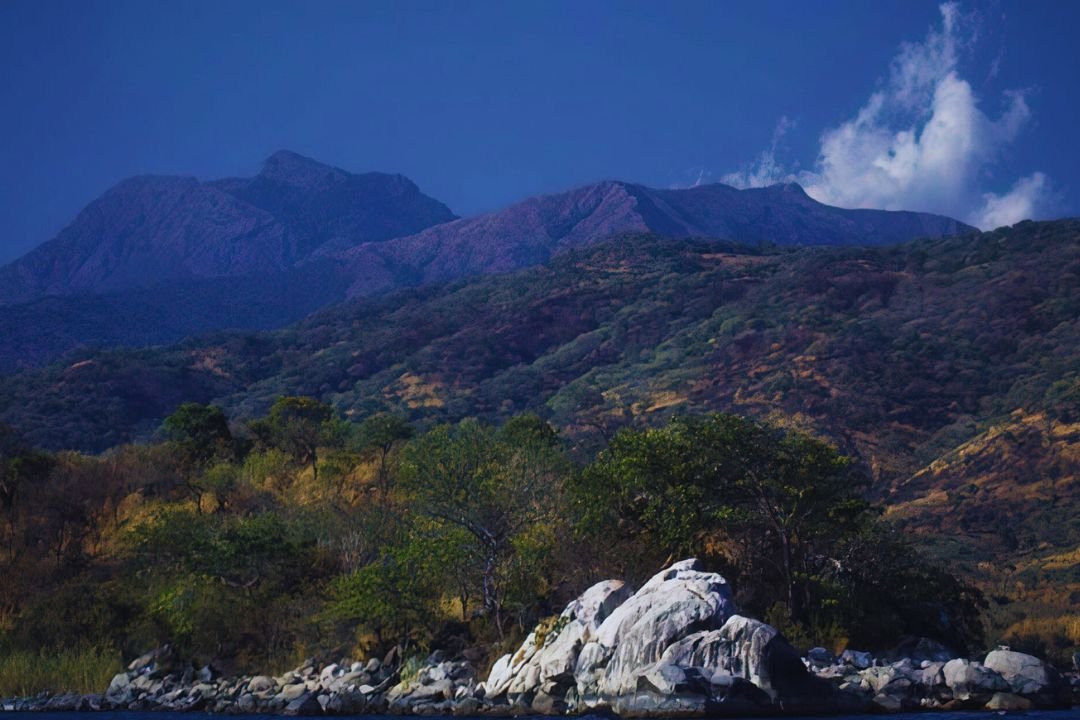
The Mahale Mountains rise steeply from Lake Tanganyika, creating lush forested slopes rich in biodiversity. These forests support primates, birds, and plant species, and provide a dramatic backdrop for trekking and wildlife experiences.
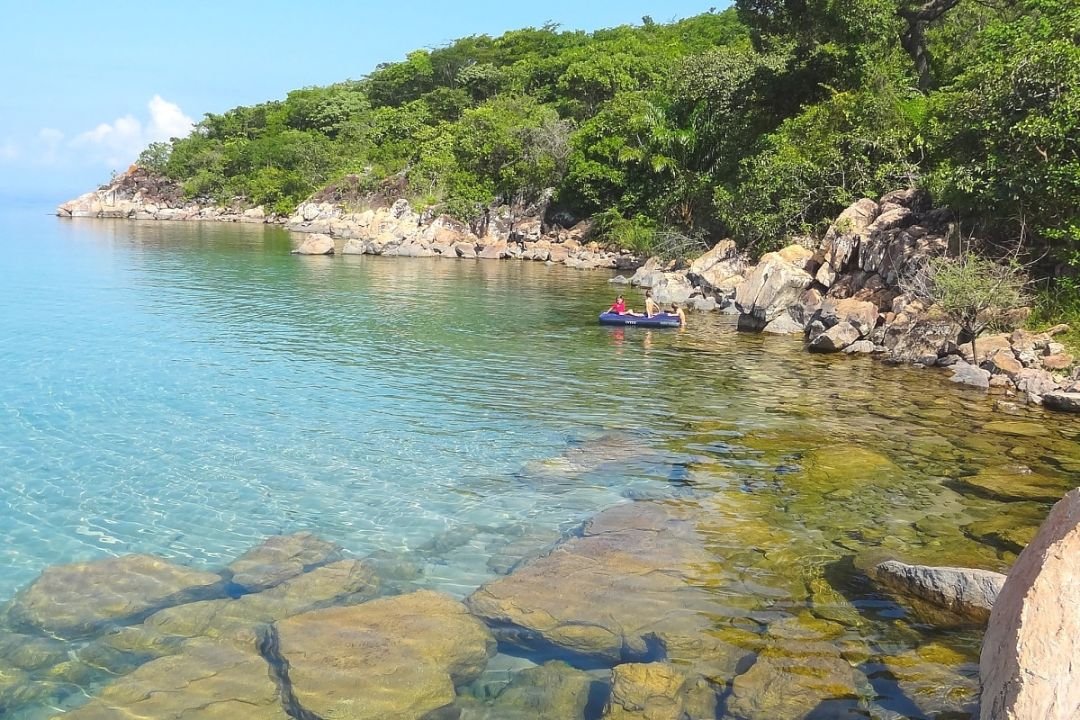
Mahale Mountains National Park features pristine beaches along Lake Tanganyika’s clear, freshwater shoreline. Visitors can swim, kayak, or relax beside one of the world’s deepest lakes, enjoying a peaceful contrast to forest trekking adventures.

The park is rich in birdlife, with numerous forest and lake species recorded. Red colobus monkeys, vervet monkeys, and other forest wildlife add to the diversity, making every walk through Mahale Mountains National Park rewarding.
Mahale Mountains National Park is primarily known for its primates and forest species rather than classic savannah wildlife. Its protected forests support a remarkable range of mammals and birds.


Mahale Mountains National Park’s history is deeply tied to long-term chimpanzee research. In the 1960s, Japanese primatologists began groundbreaking studies on chimpanzee behavior in the Mahale Mountains, bringing global attention to the region.
Local communities were relocated from within the park boundaries to allow for conservation and research, ensuring long-term protection of the forests and chimpanzee populations.
Mahale Mountains National Park was officially gazetted in 1985, securing legal protection for its unique ecosystems and wildlife. Its remote location helped preserve its pristine condition.
Today, Mahale Mountains National Park stands as one of Africa’s most important primate conservation areas. It offers a rare, intimate connection with wild chimpanzees set against one of the continent’s most beautiful and untouched landscapes.

