Ruaha National Park is Tanzania’s largest national park and one of East Africa’s most untamed safari destinations. Known for its rugged landscapes, vast wilderness, and exceptional predator populations, the park delivers an authentic safari experience far from crowded routes and mass tourism.
Characterized by rolling hills, baobab-dotted plains, rocky escarpments, and the Great Ruaha River, Ruaha National Park supports remarkable biodiversity. Its remote location and dramatic scenery make it ideal for travelers seeking raw nature, solitude, and classic African wilderness.
Ruaha National Park is located in south-central Tanzania, west of the city of Iringa. The park forms part of the greater Ruaha-Rungwa ecosystem, one of the most important wildlife conservation areas in East Africa.
Access is primarily by scheduled or charter flights from Dar es Salaam, Arusha, or Zanzibar to airstrips within the park. Road access is possible but long, reinforcing Ruaha National Park’s reputation as a destination for true safari adventurers

A month by Month Guide
Early rains, lush scenery across highlands and northern parks. Excellent for photography, birdwatching, and cultural experiences. Southern Serengeti sees migration movement. Moderate crowds, beautiful landscapes. Coastal beaches warm, ideal for relaxation and festive holidays.
Where wilderness dominates
Ruaha National Park is renowned for its high concentration of predators, including lions, leopards, cheetahs, and African wild dogs. Combined with enormous elephant herds and minimal visitor traffic, the park offers a powerful sense of scale, solitude, and authentic safari exploration.
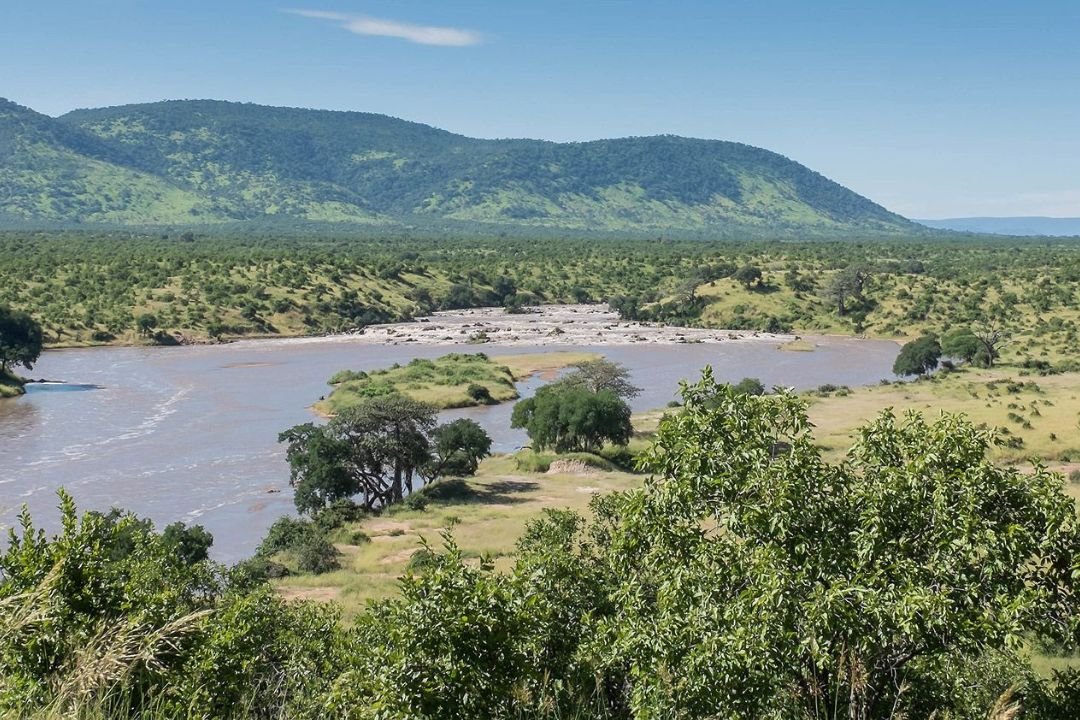
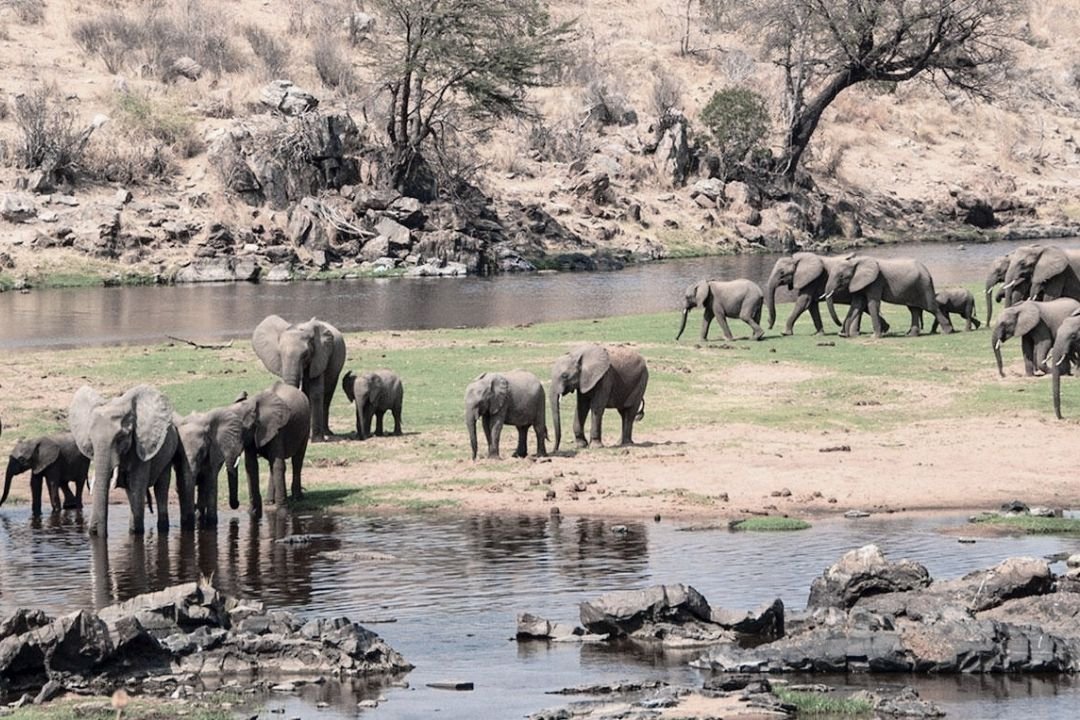
The Great Ruaha River is the lifeline of Ruaha National Park. During the dry season, it attracts large numbers of elephants, buffalo, and predators. Its rocky banks and dramatic channels create some of the park’s most iconic wildlife viewing opportunities.
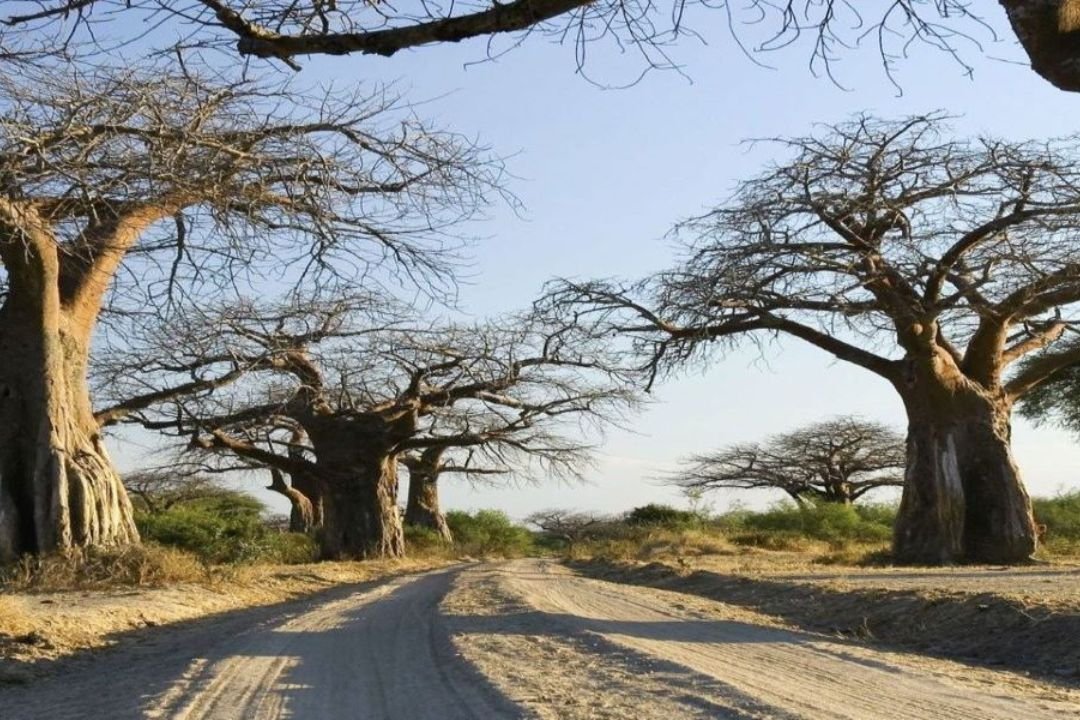
Ruaha National Park is famous for its ancient baobab trees, which dominate the open plains and rocky hills. These massive trees add a timeless character to the scenery and provide shelter and food for numerous wildlife species.
Rolling hills, rocky outcrops, and escarpments define much of Ruaha National Park’s terrain. These landscapes create varied habitats and offer elevated viewpoints for game viewing, enhancing the park’s dramatic and untamed atmosphere.
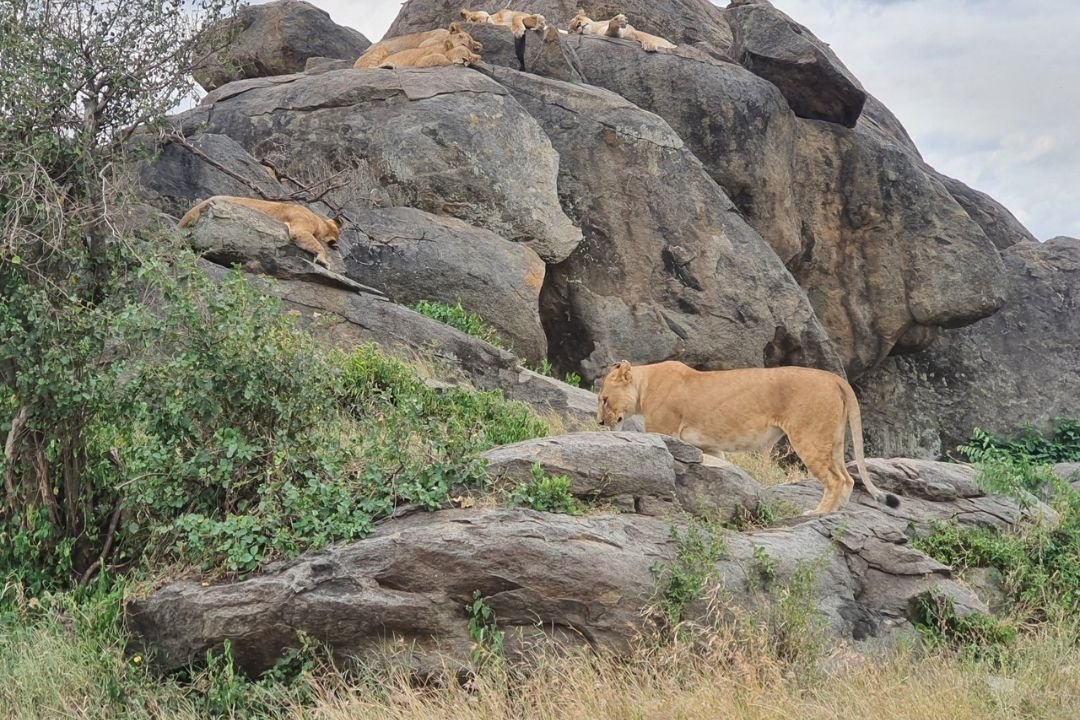
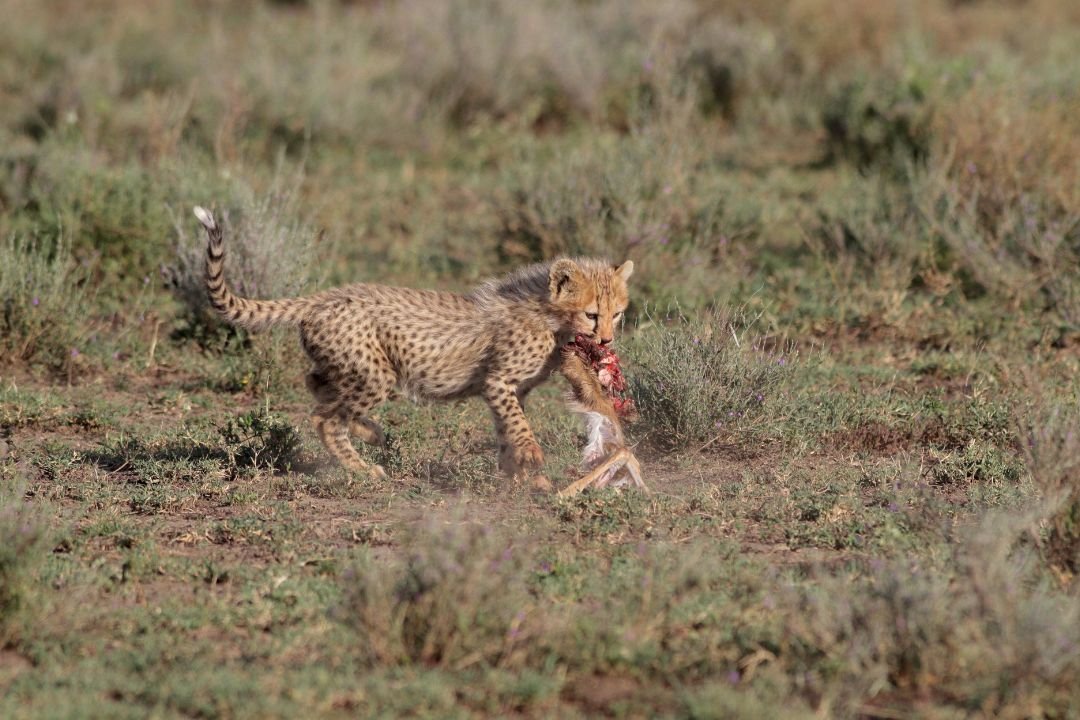
Ruaha National Park offers some of the best predator sightings in Tanzania. Large lion prides, leopards along riverbanks, cheetahs in open plains, and elusive wild dogs thrive in this vast ecosystem, making every game drive unpredictable and thrilling.
Ruaha National Park supports a remarkable mix of eastern and southern African species, creating exceptional diversity. Its vast size allows wildlife to roam freely, resulting in natural behavior and authentic safari encounters.


Ruaha National Park’s history is closely linked to the Great Ruaha River and surrounding wilderness. Local communities traditionally used the land for seasonal grazing and movement, coexisting with wildlife across this expansive landscape.
In 1910, the area was first protected as a game reserve, recognizing its ecological importance and abundant wildlife. Over time, conservation efforts expanded to preserve larger habitats and migration corridors.
Ruaha National Park was officially gazetted in 1964 and later expanded significantly to become Tanzania’s largest national park. This expansion strengthened its role as a critical conservation stronghold in East Africa.
Today, Ruaha National Park stands as a symbol of true African wilderness. Its success lies in protecting vast ecosystems, supporting wildlife diversity, and offering low-impact tourism that preserves the park’s wild and untouched character.

