Mkomazi National Park is one of Tanzania’s most remote and unspoiled safari destinations, celebrated for its vast open landscapes, dramatic mountain backdrops, and strong conservation focus. Located in northeastern Tanzania, the park offers a true wilderness experience far from the crowds of the Northern Circuit.
Covering a large semi-arid ecosystem, Mkomazi National Park is characterized by open savannah, acacia woodland, and seasonal rivers. Its dry climate supports unique wildlife species adapted to arid conditions, while its quiet atmosphere makes it ideal for travelers seeking exclusivity, authenticity, and conservation-driven tourism.
Mkomazi National Park is located in northeastern Tanzania, bordering Tsavo West National Park in Kenya. The park lies between the Pare and Usambara mountain ranges, creating a dramatic and scenic setting.
It is approximately 120 kilometers from Moshi and can be accessed by road or small aircraft. Due to its remote location, Mkomazi National Park is often visited as a standalone destination or combined with Kilimanjaro, cultural experiences, or northern Tanzania safaris for travelers seeking something different.

A month by Month Guide
Early rains, lush scenery across highlands and northern parks. Excellent for photography, birdwatching, and cultural experiences. Southern Serengeti sees migration movement. Moderate crowds, beautiful landscapes. Coastal beaches warm, ideal for relaxation and festive holidays.
Where rare species are protected
Mkomazi National Park is renowned for its conservation efforts, particularly the protection of endangered species such as the black rhinoceros and African wild dog. Its low visitor numbers, vast open spaces, and strong ecological management create an authentic safari experience rooted in preservation rather than mass tourism.
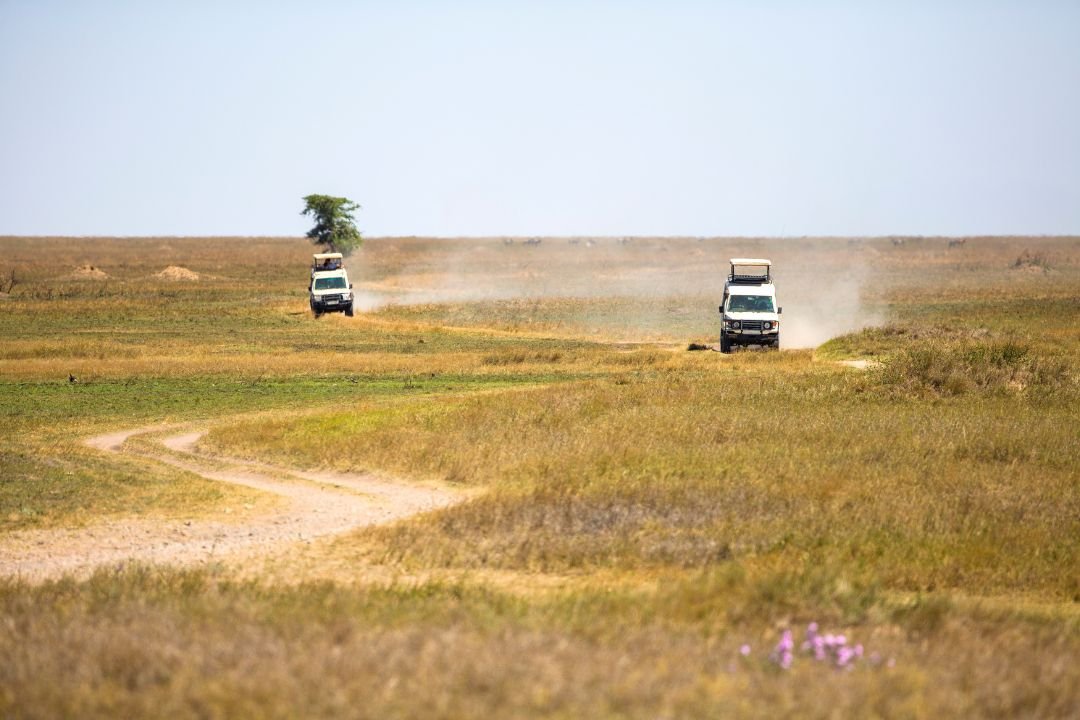
Mkomazi National Park is dominated by wide-open savannah and semi-arid plains that stretch toward distant mountain ranges. These landscapes provide excellent visibility for wildlife viewing and create classic East African safari scenery, especially during the dry season when animals gather around water sources.
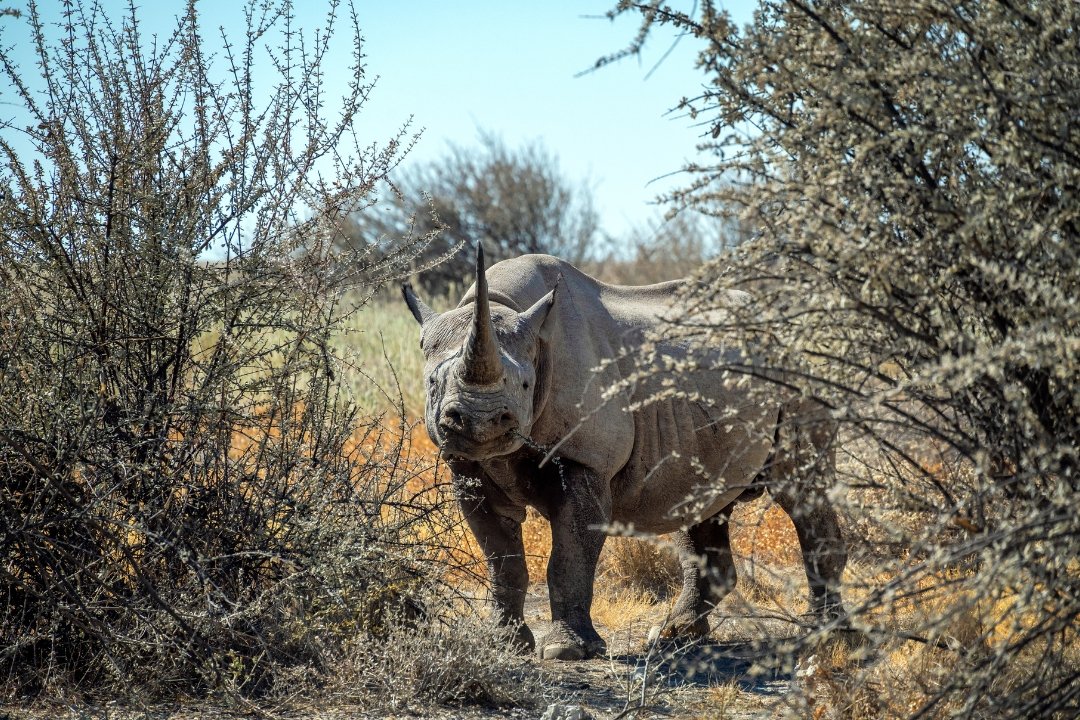
One of Mkomazi National Park’s most important features is its black rhino sanctuary. Carefully protected and monitored, this area plays a critical role in Tanzania’s rhino conservation efforts. Although sightings are rare, the sanctuary represents a major conservation success and symbol of hope.
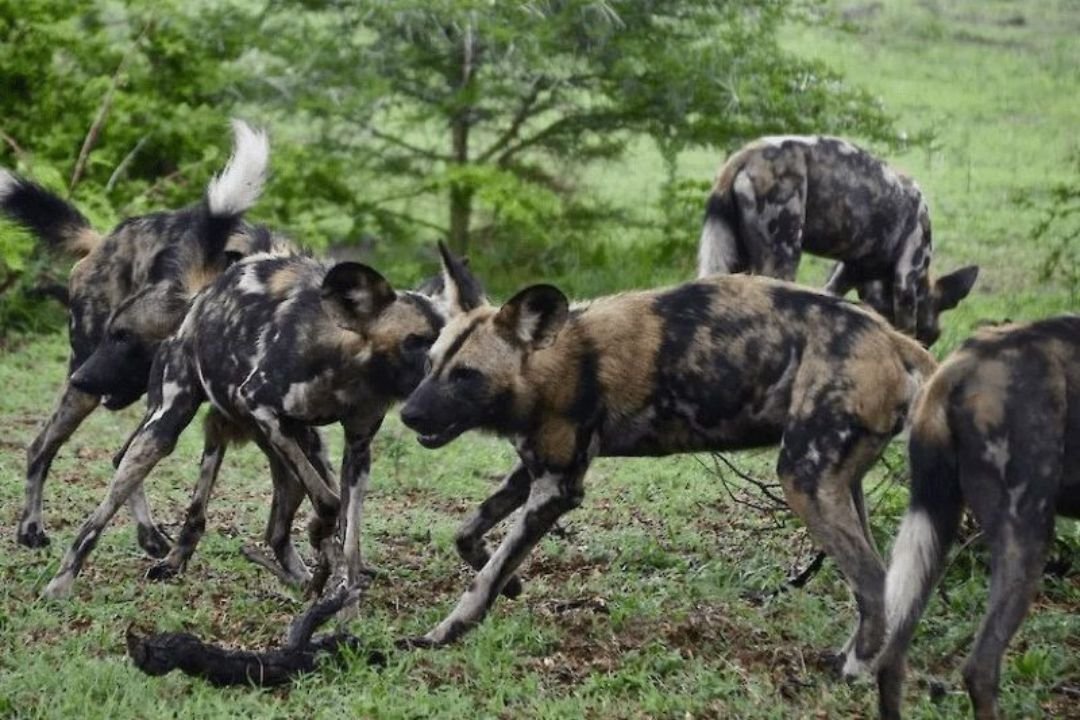
Mkomazi National Park is one of the few places in Tanzania where African wild dogs are protected. These highly endangered predators roam the park’s open plains and woodlands, making Mkomazi a vital refuge for their survival and a special destination for conservation-focused safaris.
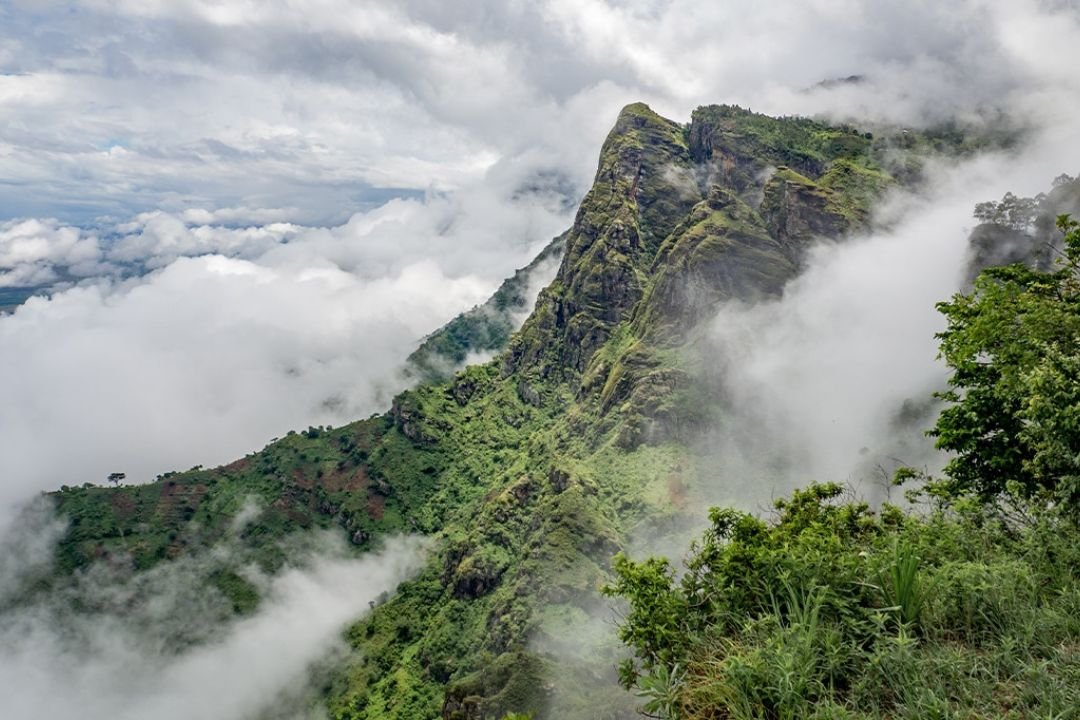
The Pare and Usambara Mountains frame Mkomazi National Park, adding dramatic beauty to its dry landscapes. Clear days offer sweeping views of distant peaks, including Mount Kilimanjaro, enhancing the park’s sense of scale, isolation, and raw natural beauty.
Mkomazi National Park supports wildlife species adapted to dry and semi-arid environments. While densities are lower than in some northern parks, sightings feel authentic and untamed, rewarding patient and nature-focused travelers.


Mkomazi National Park has a long history shaped by its harsh climate and remote location. For generations, local communities used the land seasonally for grazing, coexisting with wildlife across the open savannah and woodland ecosystems.
In the mid-20th century, the area was recognized for its ecological importance, particularly as a vital corridor between Tanzania and Kenya. Conservation efforts increased to protect wildlife movement and fragile dryland habitats.
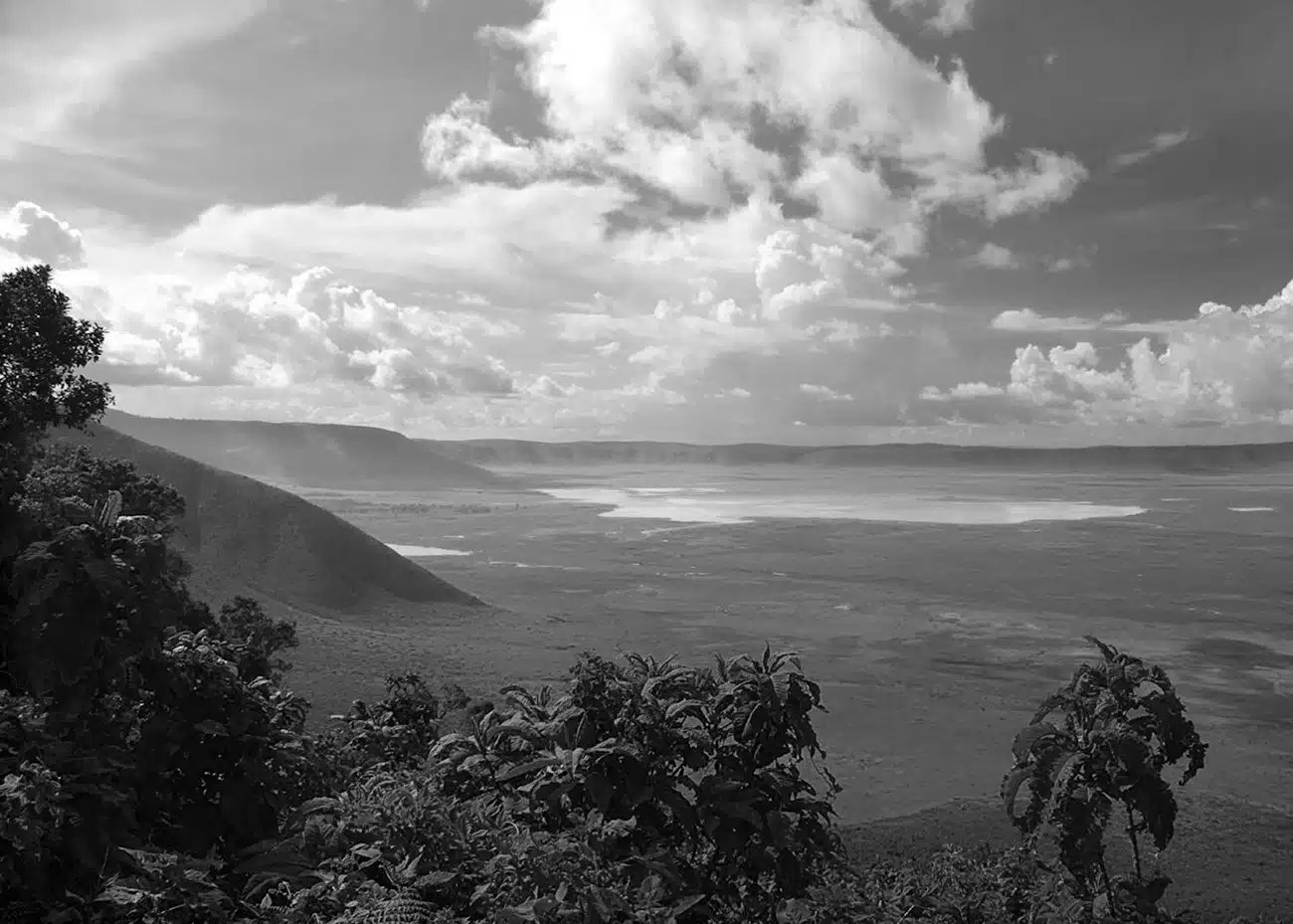
Mkomazi was officially gazetted as a national park in 2006, following years of conservation development and habitat restoration. This status strengthened protection for endangered species, including black rhinos and African wild dogs.
Today, Mkomazi National Park stands as a model for conservation-led tourism in Tanzania. Its success lies in balancing wildlife protection, community engagement, and low-impact tourism, preserving one of the country’s last true wilderness landscapes.

