Northern Circuit

Lake Manyara National Park

Lake Manyara National Park; Where Forests Meet the Rift Valley Lake

Lake Manyara National Park is a compact yet remarkably diverse safari destination, celebrated for its dramatic landscapes and rich wildlife. Nestled at the base of the Great Rift Valley escarpment, the park transitions from lush groundwater forests to open floodplains and a shimmering alkaline lake, creating a uniquely varied safari environment.

Despite its relatively small size, Lake Manyara National Park offers exceptional ecological diversity. Permanent water sources, dense vegetation, and open habitats support a wide range of wildlife and birdlife throughout the year. The park is especially known for close-up game viewing, scenic beauty, and a tranquil atmosphere that complements longer Northern Circuit safaris.

Where is the Lake Manyara National Park located?

Lake Manyara National Park is located in northern Tanzania between Arusha and the Ngorongoro Conservation Area. It sits along the western edge of the Great Rift Valley, making it one of the most visually striking parks within the Northern Safari Circuit.

The park lies approximately 125 kilometers from Arusha and is easily accessed by road, often as a stop between Tarangire and Ngorongoro. Its proximity to Karatu town makes it convenient for day trips and overnight safaris, while the Rift Valley escarpment forms a dramatic natural backdrop.

Custom Map with Marker
Custom Icon
Lake Manyara National Park, Tanzania

A month by Month Guide

What is the best month to visit the Ngorongoro Crater?

Ideal for wildlife safaris and birdwatching. Dry season makes spotting animals in Serengeti, Tarangire, and Ngorongoro easier. Clear skies perfect for Kilimanjaro climbs and beach holidays along the coast.
Excellent for big-game sightings and migration viewing in Serengeti. Warm, dry weather throughout the country supports hiking, walking safaris, and cultural visits. Coastal beaches are calm and ideal for relaxation.
Start of short rains in northern parks. Landscapes become lush and green, fewer tourists. Ngorongoro Crater and southern parks remain accessible. Good month for photography and birdwatching enthusiasts.
Peak short rainy season. Many roads in remote areas may be challenging. Parks remain scenic, waterfalls full. Ideal for fewer crowds, lower prices, and lush landscapes in highland and southern parks.
End of short rains. Landscapes vibrant and green, excellent for photography. Wildlife concentrated around water sources. Comfortable temperatures for hiking, safaris, and cultural tours. Northern circuit accessible. Great for quiet, off-peak visits.
Start of dry season. Perfect for wildlife viewing in Serengeti, Tarangire, and Ngorongoro. Cool mornings, sunny days. Ideal for climbing Kilimanjaro and exploring highland parks. Coastal beaches pleasantly warm.
Peak dry season. Best wildlife viewing conditions across all parks. Wildebeest migration visible in northern Serengeti. Perfect for camping, hiking, and photography. Cool mornings, warm days, minimal rainfall. Tourist traffic higher, plan bookings early.
Dry and sunny, optimal for game drives. Great for migration tracking in Serengeti and Tarangire. Kilimanjaro climbs enjoy stable weather. Northern circuit fully accessible. Coastal resorts offer calm, sunny conditions. Wildlife photography excellent.
Still dry season, excellent for wildlife viewing. Migration peaks in northern Serengeti. Ideal for walking safaris, cultural experiences, and photography. Warm days, cool evenings. Southern parks dry, easier to navigate. Minimal rainfall.
Transitional month, slight increase in rains. Wildlife viewing remains good, migration begins moving south. Lush scenery returns. Northern and southern circuits accessible. Ideal for off-peak visits, fewer tourists, and photography opportunities.
Start of short rains. Parks less crowded, greenery abundant. Some remote roads may be tricky. Birdwatching excellent. Coastal regions warm and sunny. Safari conditions good, migration in southern Serengeti. Kilimanjaro climbs possible with caution.

Early rains, lush scenery across highlands and northern parks. Excellent for photography, birdwatching, and cultural experiences. Southern Serengeti sees migration movement. Moderate crowds, beautiful landscapes. Coastal beaches warm, ideal for relaxation and festive holidays.

What Makes Lake Manyara National Park Special

A Small Park With Extraordinary Diversity

From dense forests to flamingo-filled shores

Lake Manyara National Park is unique for its dramatic concentration of habitats within a small area. Groundwater forests, open plains, and a soda lake support diverse wildlife and birdlife, offering varied safari experiences, scenic beauty, and excellent game viewing in a compact, easily accessible destination.

Best hotels and lodges in/Near the Lake Manyara Area

What to See in Lake Manyara National Park

Groundwater Forest

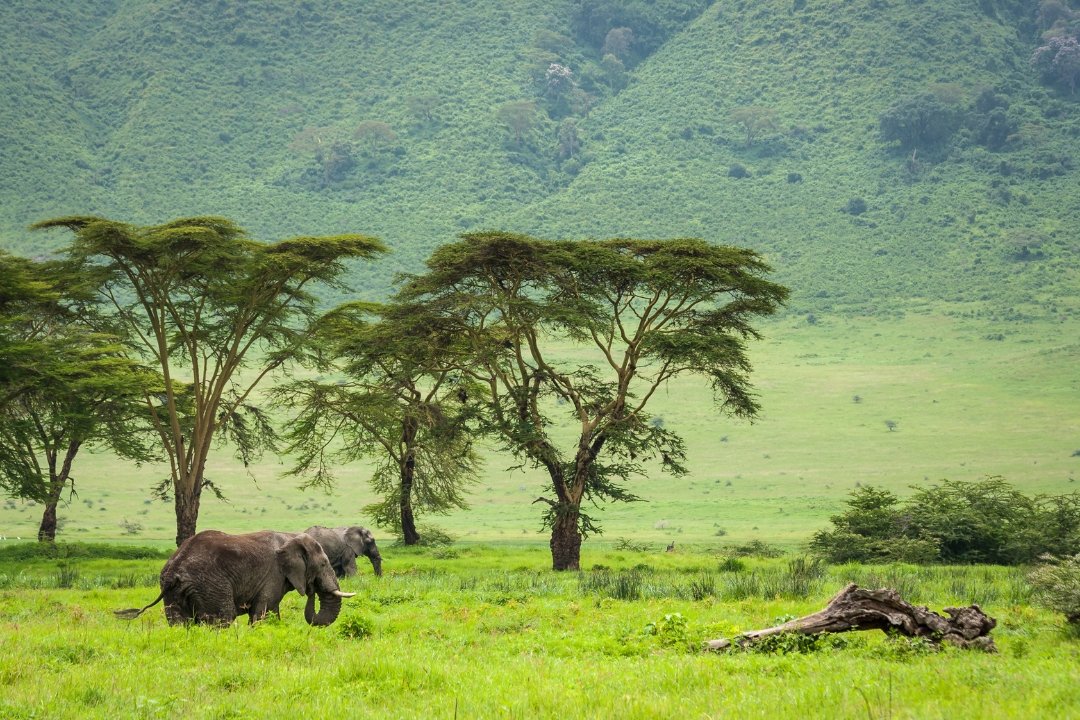
The lush groundwater forest is one of Lake Manyara National Park’s defining features. Towering fig and mahogany trees create a shaded canopy where elephants, baboons, and blue monkeys thrive. This cool, green environment contrasts beautifully with the open plains and provides excellent close-range wildlife encounters..
Tanzania’s Big Five
Lake Magadi Ngorongoro

Tree-Climbing Lions

Lake Manyara National Park is famous for its tree-climbing lions, often seen resting in acacia branches during the day. This unusual behavior is believed to help lions avoid insects and heat. Spotting them lounging above the plains remains one of the park’s most iconic experiences.

Lake Manyara Shoreline

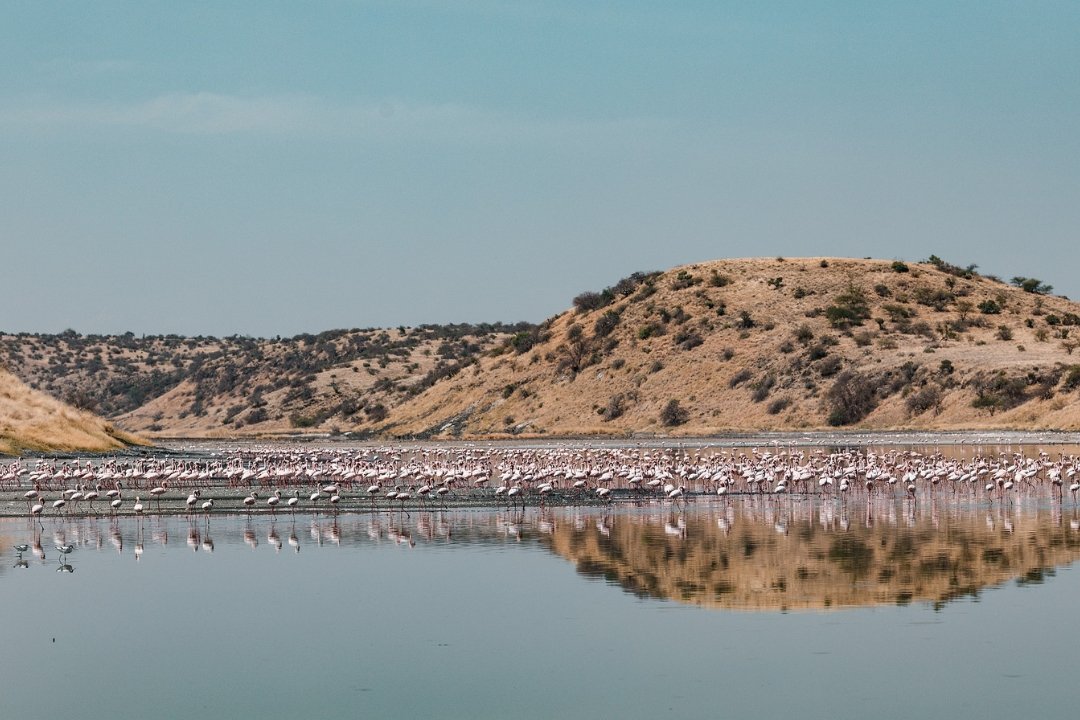
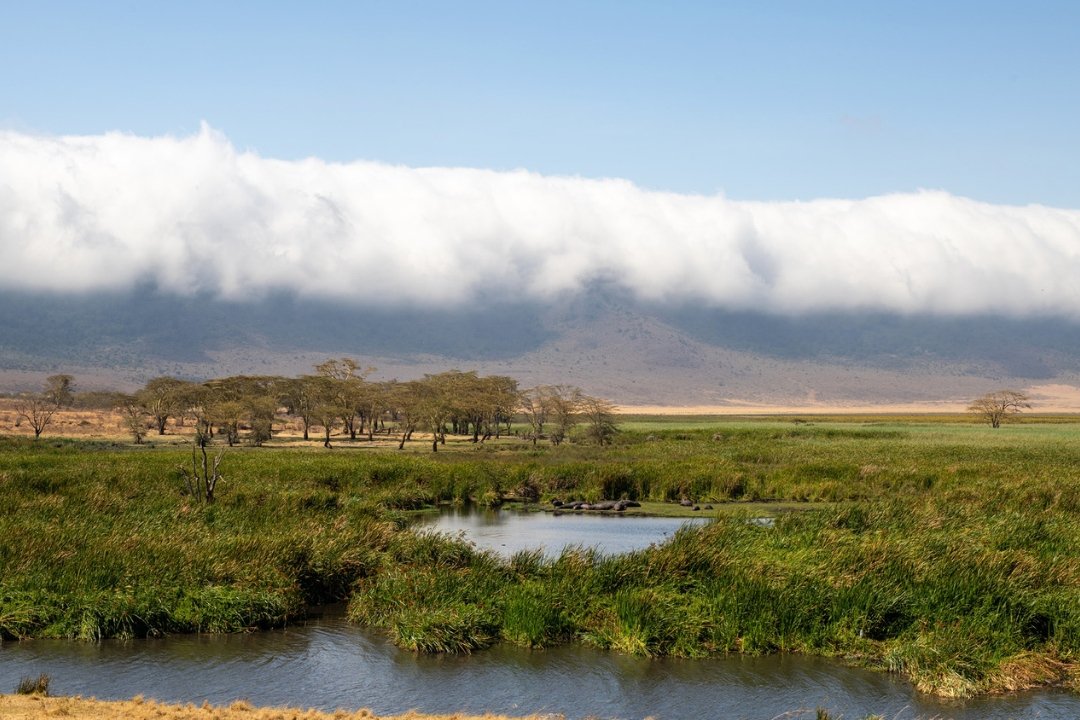
The alkaline waters of Lake Manyara attract thousands of flamingos and other waterbirds, creating striking pink hues along the shoreline. Seasonal water levels influence bird concentrations, but the lake consistently supports rich birdlife, making it a paradise for birdwatchers and nature photographers.
Lerai Forest Ngorongoro
Seasonal Swamps Ngorongoro

Open Floodplains

Beyond the forest, Lake Manyara National Park opens into grassy floodplains where giraffes, buffalo, zebra, and wildebeest graze. These open areas offer excellent visibility for game drives and are often where predators are spotted stalking prey against the daaaaaramatic backdrop of the Rift Valley escarpment.

Wildlife to See in Ngorongoro Crater

Lake Manyara National Park supports a wide variety of wildlife despite its small size. The combination of forest, lake, and open plains allows animals to thrive year-round, offering diverse sightings during short or extended safari visits.

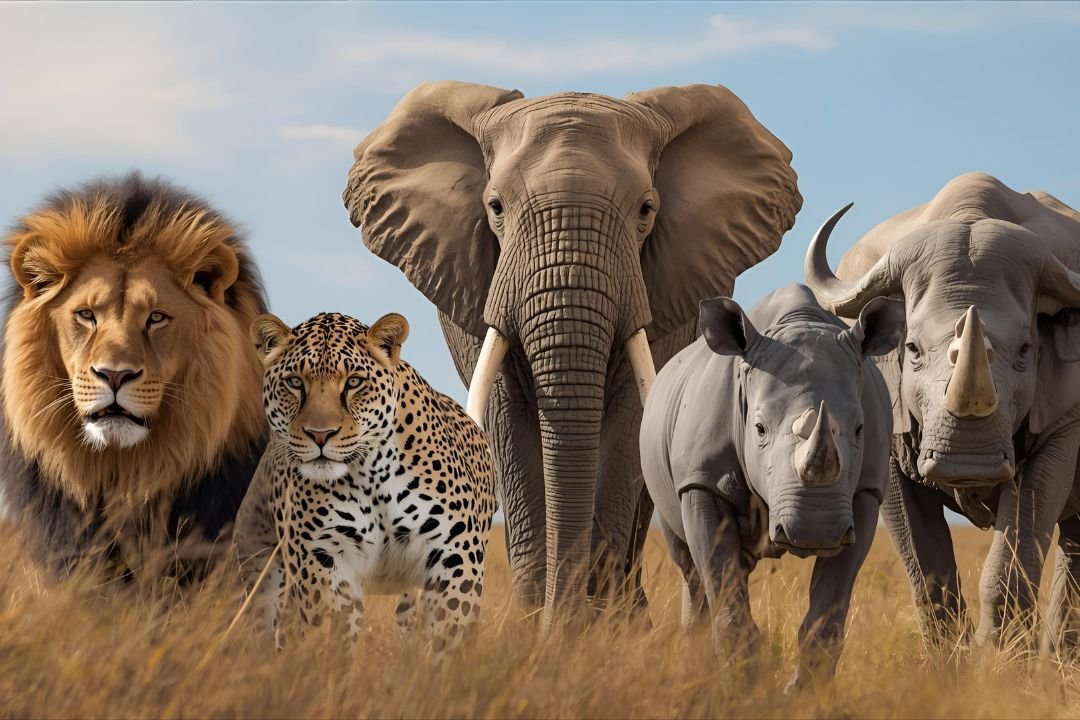
  • African Elephant
  • African Lion
  • Cape Buffalo
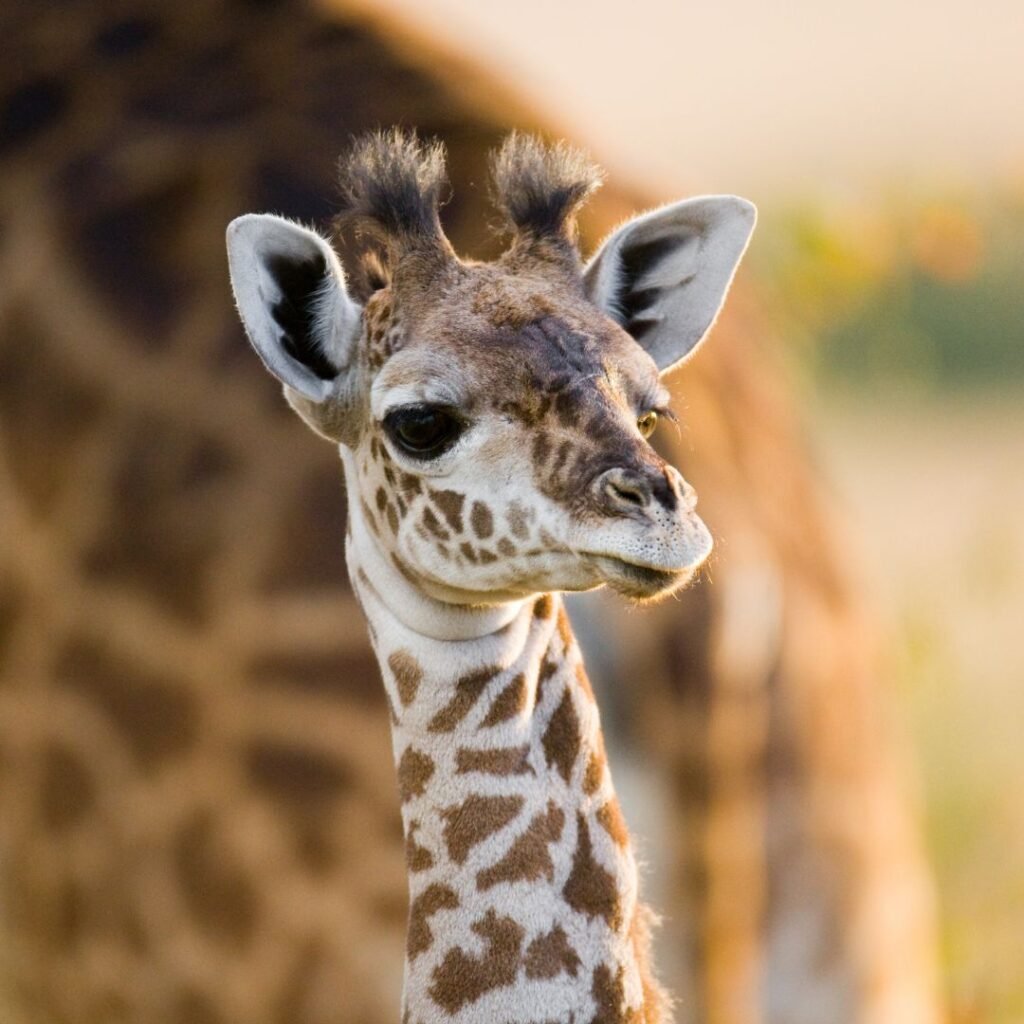
  • Masai Giraffe
  • Plains Zebra
  • Olive Baboon
Lion

Common

Elephant

Common

Leopard

Rare

Buffalo

Common

Giraffe

Rare

History of Lake Manyara National Park

Lake Manyara National Park’s history is closely linked to its groundwater forests and Rift Valley setting. The area was traditionally used by local communities for seasonal grazing before being recognized for its ecological importance. In 1960, it was officially established as a national park to protect its diverse habitats and abundant birdlife.

Over time, Lake Manyara National Park became known as a conservation success story, preserving a wide range of ecosystems within a small area. Today, it remains an important part of Tanzania’s Northern Safari Circuit, valued for its biodiversity, scenic beauty, and role in sustainable tourism and wildlife protection.
Tanzania

Lake Manyara Tours

Where else Can I visit?