Tarangire National Park is one of Tanzania’s most underrated yet rewarding safari destinations, celebrated for its vast elephant herds, dramatic baobab-studded landscapes, and strong sense of wilderness. Located within the Northern Safari Circuit, the park offers a quieter, more relaxed safari experience compared to its famous neighbors, while still delivering exceptional wildlife encounters.
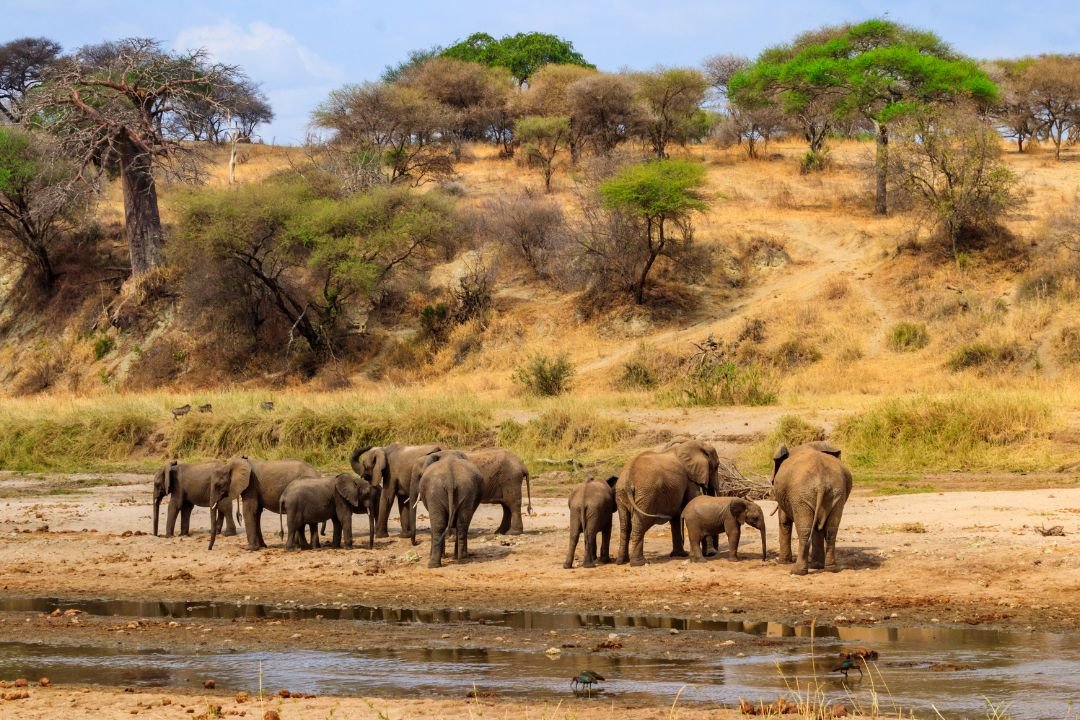
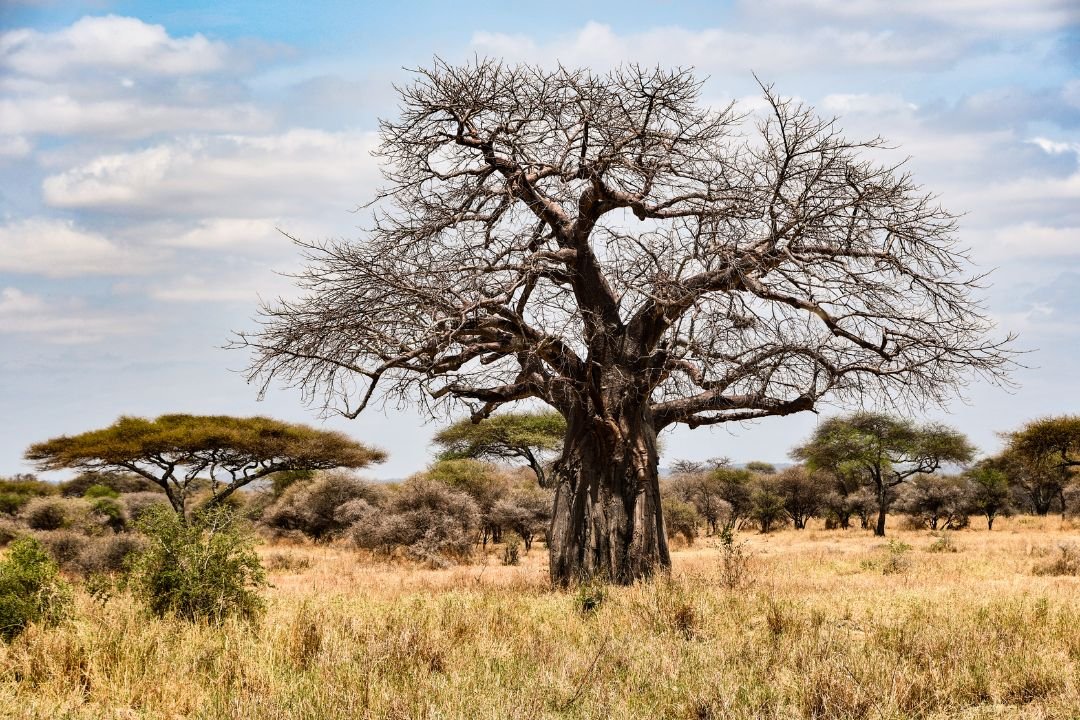
The defining feature of Tarangire National Park is the Tarangire River, a lifeline that attracts enormous concentrations of animals during the dry season. As surrounding areas dry out, wildlife migrates into the park in search of water, creating spectacular game viewing opportunities. Rolling savannahs, seasonal swamps, and towering baobab trees combine to create a raw, authentic African safari atmosphere.
Tarangire National Park is situated in northern Tanzania, approximately 120 kilometers southwest of Arusha. It lies just south of Lake Manyara National Park and forms a key part of the Northern Safari Circuit, making it easily accessible and ideal for combination safaris.
The park is reached by road via Arusha, often passing through the town of Makuyuni. Its location along important wildlife migration routes allows animals to move freely between Tarangire, Lake Manyara, and surrounding conservation areas, enhancing its ecological importance and wildlife diversity.

A month by Month Guide
Early rains, lush scenery across highlands and northern parks. Excellent for photography, birdwatching, and cultural experiences. Southern Serengeti sees migration movement. Moderate crowds, beautiful landscapes. Coastal beaches warm, ideal for relaxation and festive holidays.
Where elephants, rivers, and ancient landscapes define the safari experience
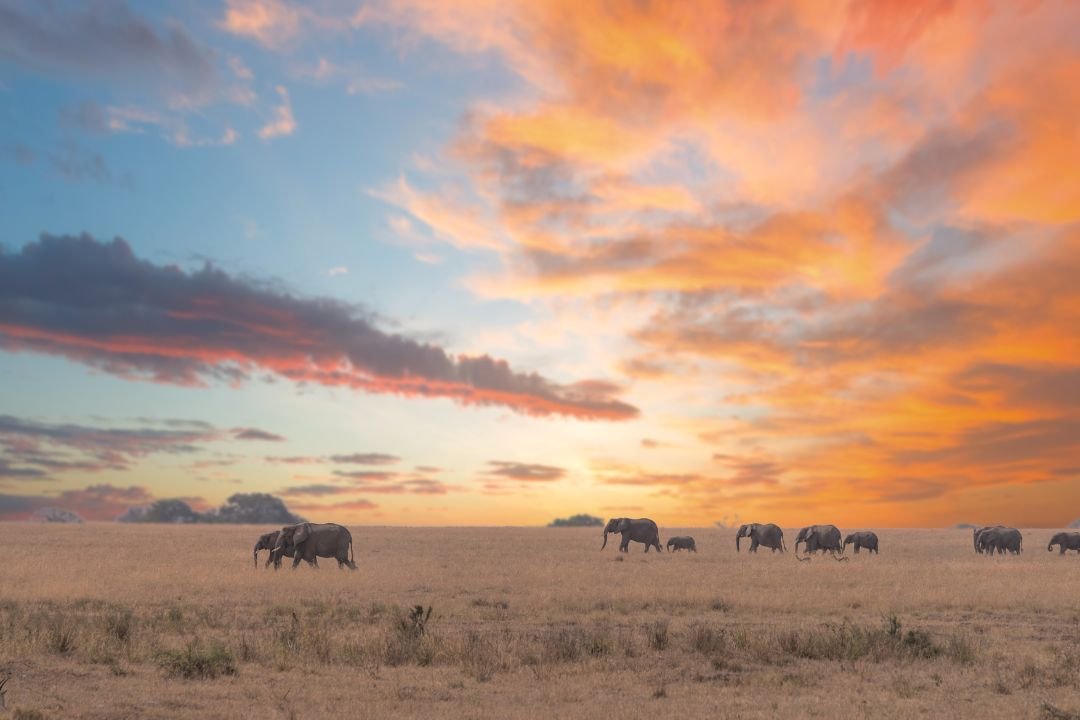
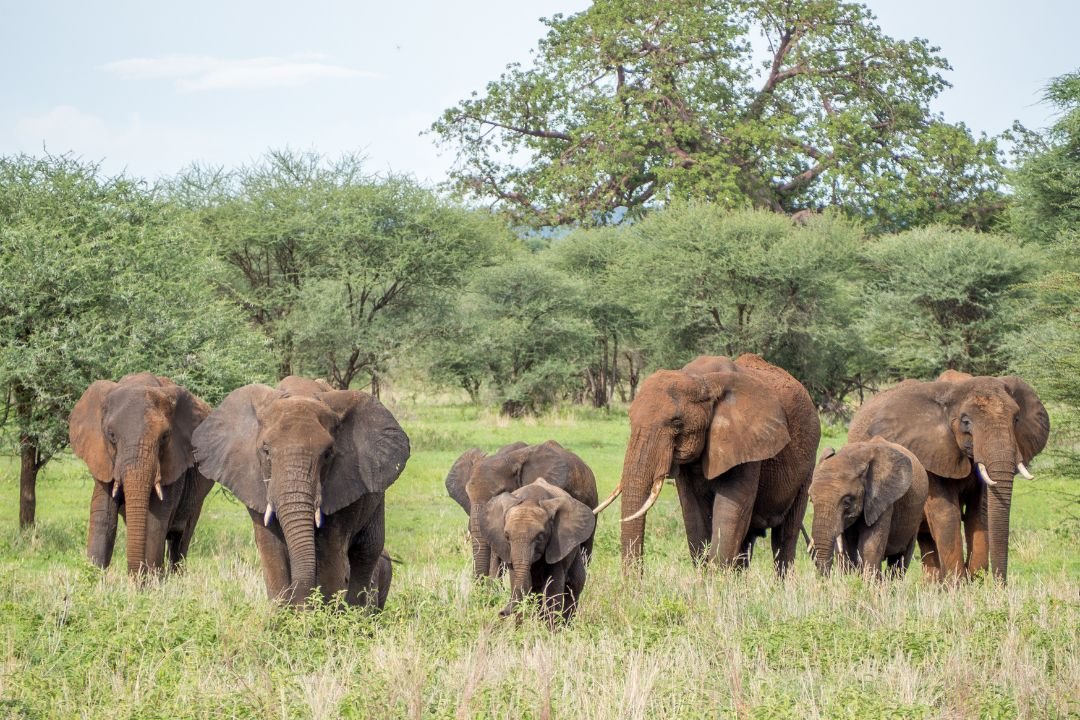
Tarangire National Park is renowned for hosting some of the largest elephant populations in Tanzania. During the dry season, the Tarangire River becomes a magnet for wildlife, drawing massive herds and predators into open landscapes framed by iconic baobab trees.




Tarangire National Park’s history is closely tied to the seasonal movements of wildlife and the pastoral communities that once shared this landscape. For centuries, animals migrated freely across the Tarangire ecosystem, following ancient routes in search of water and grazing, while local communities relied on the land for livestock and survival.
In 1970, Tarangire was officially designated a national park to protect its vital river system and wildlife migration corridors. The park’s creation played a crucial role in conserving elephant populations and preserving the integrity of the wider Tarangire–Manyara ecosystem. Today, Tarangire National Park stands as a vital conservation area and a powerful example of how protecting water sources ensures long-term wildlife survival.